InfinitaAloe Logo
   
Nav Bar Header
   
Nav Bar Header Header
Infinite Aloe Lady
SHOP NOW
Product Info
About Aloe
Testimonials
Distributors
GUARANTY
Newsletter
Sign up for our periodic newsletter and get our 5-day course "The Truth About Your Skin" FREE!


Velaro Live Help
Live help by Velaro

Shop with
Confidence

All InfiniteAloe brand aloe vera skin care products come
with a 100% Satisfaction Guarantee.

Made in the USA

WE CARE!


Eczema Care with InfiniteAloe
Eczema Diagnosis Eczema Relief Eczema Treatment Discover Infinite Aloe

Infinite Aloe Skin Care and Eczema

While there is no stated “cure for eczema,” all dermatologists recommend moisturizing as a vital part of eczema treatment.

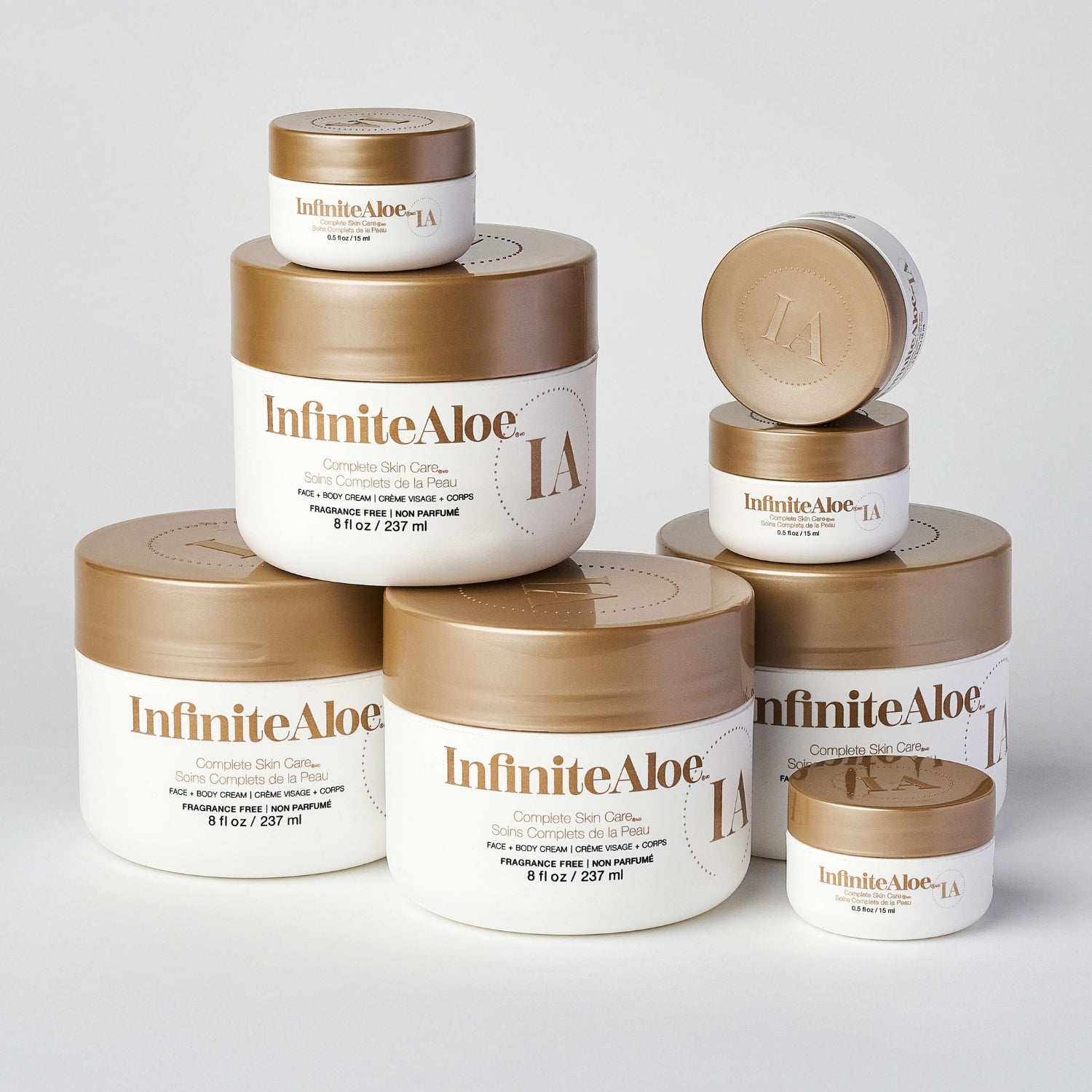
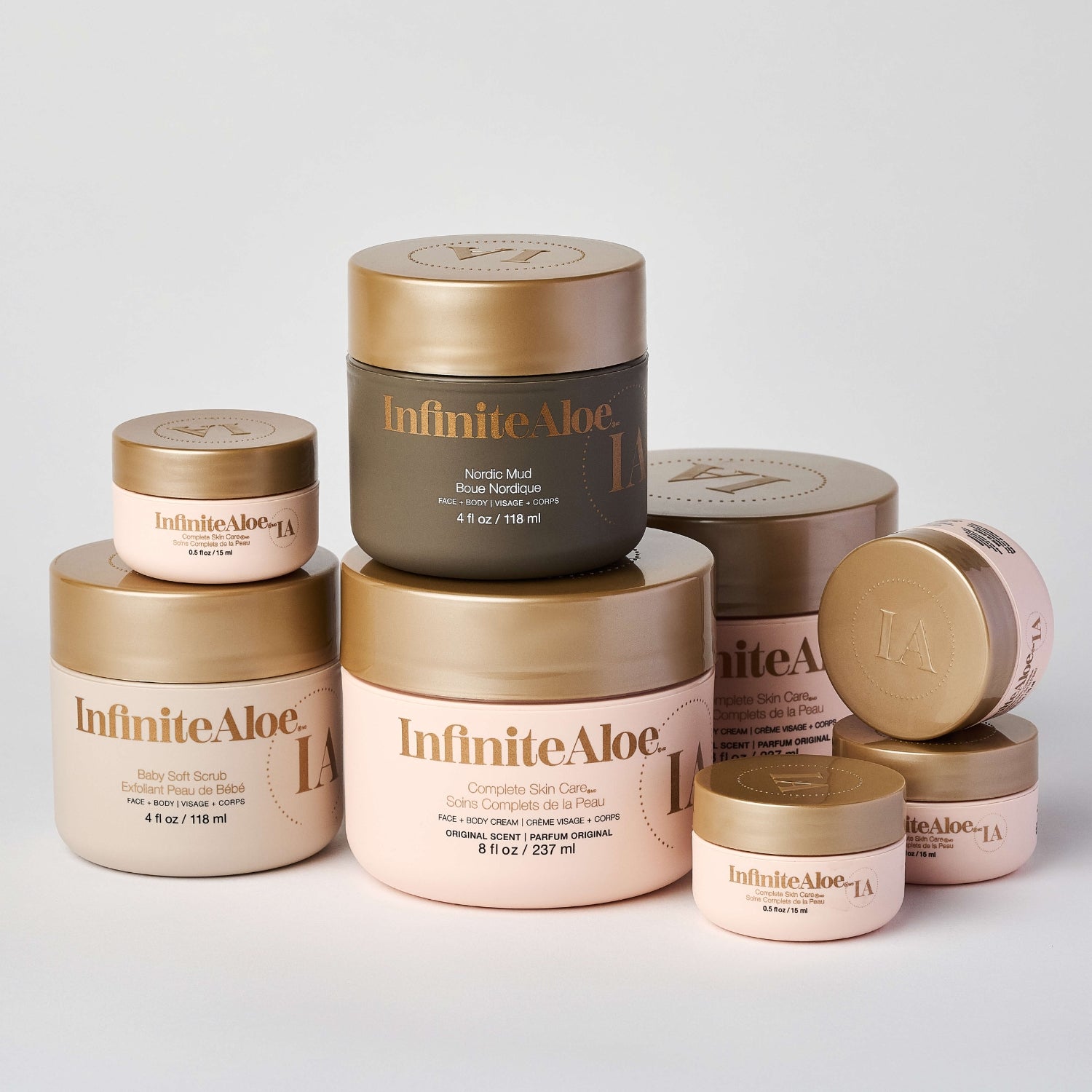
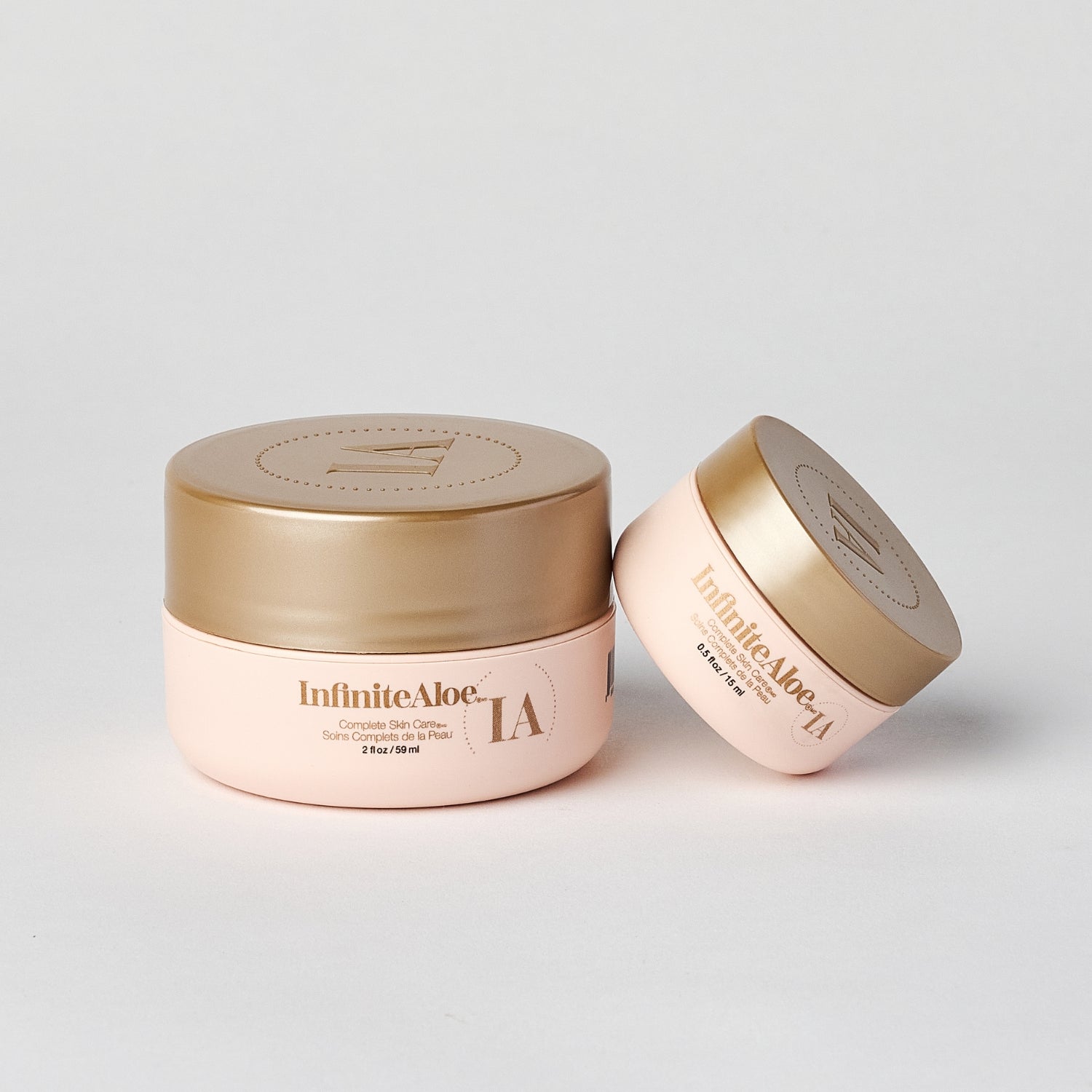
Infinite Aloe skin care moisturizer contains more than 20 separate ingredients known to bring relief to dry skin, pain, itching and inflammation.

Modern science has only begun to discover the value of these remedies, though traditional doctors have used the ingredients in Infinite Aloe for hundreds and even thousands of years.  
The potent nutrients in these medicinal plants are absorbed through the skin, penetrating many layers deep to revitalize and refresh while moisturizing and softening.

How Infinite Aloe Ingredients bring Eczema Relief

Infinite Aloe Researchers found that the best plants for moisturizing dry, itchy skin are full of vitamins, proteins, essential fatty acids and other nutrients that help to soothe eczema and repair damaged skin.

This document provides a brief overview of the known benefits of each ingredient and cites scientific studies related to eczema treatment, including information about:

  • Pain relief
  • Relief from itching
  • Reduction of inflammation
  • Anti-bacterial and anti-viral capabilities
  • Healing potential
  • Nutrients
  • Moisturizing and conditioning properties

The essentials of skin care include plenty of healthful water, a good diet and extra nutrients.
Infinite Aloe enables you to apply healthful nutrients topically to the skin to assist in repairing and rebuilding.

Dr. Nicolas Perricone, M.D. with his New York Times best selling book The Wrinkle Cure: Unlock the Power of Cosmeceuticals for Supple, Youthful Skin, has popularized nutrients as a skin care remedy and explained with the most cutting edge science, why it works.

Detailed throughout his book, as well as in many articles and interviews, Dr. Perricone describes the importance of topical applications that contain antioxidants, such as Vitamins C and E, to aid in skin restoration and maintaining youthfulness:

“I’ve seen miraculous changes in my patients’ complexions, and often their lives, as a result of topical and oral antioxidant based treatment regimes.” – Perricone, The Wrinkle Cure

THE KEY INGREDIENTS

Vitamins and Other Compounds added to make Infinite Aloe Skin Care

In Summary

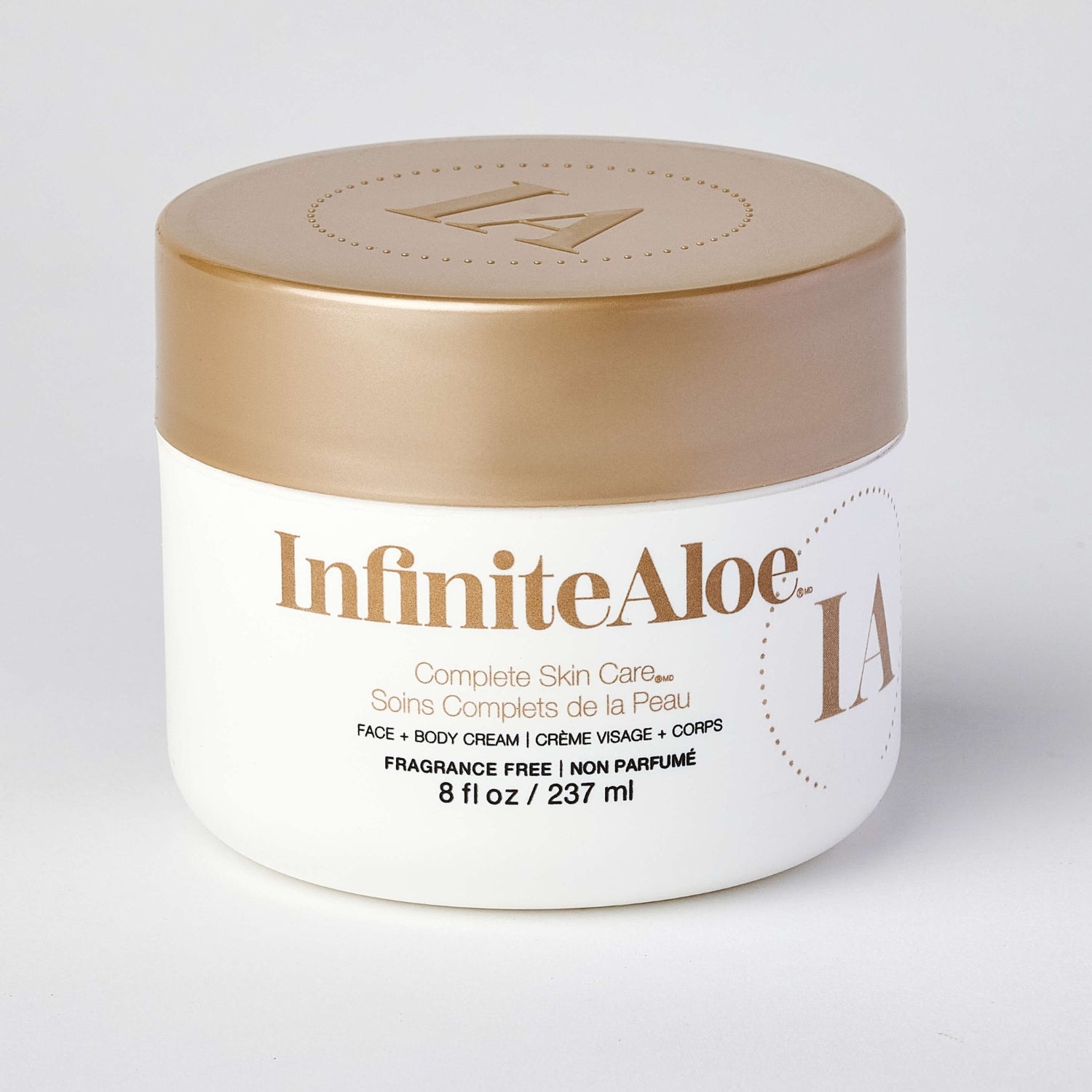
Infinite Aloe skin care moisturizing cream contains as its primary ingredient, Aloe Vera, known and used for centuries as an essential element in improving skin conditions such as eczema.
Infinite Aloe contains many additional ingredients each of which are carefully chosen and combined to provide the finest skin care and moisturizing benefits possible for those who seek relief from dry, itching, inflamed and painful skin due to eczema.

While your health care specialist can diagnose and prescribe the correct treatment for you, in most every case, he or she will recommend moisturizers, such as Infinite Aloe.

Order your Infinite Aloe Skin Care Today!


THE KEY INGREDIENTS

Aloe Barbadensis/Aloe Vera

Aloe Vera (Aloe Barbendensis Miller) is high in vitamins including C, A, E and B, and minerals including Zinc, Calcium, Copper and Magnesium. Aloe provides eight separate enzymes, 20 different amino acids as well as plant sterols that have potent anti-inflammatory agents and saponins that are known for antiseptic properties.
Studies document its wound-healing (Ref.1,5) anti-inflammatory (Ref.2,3) and immune stimulating activities (Ref.4) all of which are beneficial in eczema treatment, particularly when used topically in lotions or creams.

Aloe Vera is high in mannan, a substance believed to improve immune system functioning. Mannan also serves in an anti-viral capacity (Ref.5). These anti-bacterial properties of aloe are vital to keep the eczema from becoming infected through broken skin while helping to regenerate and renew the skin from below the surface.

It has been recognized for many years that Aloe Vera penetrates many layers of the skin with healing nutrients. It is validated in scientific studies as a workable treatment for small wounds and burns. Compared to an average recovery time of 50 days from burn wounds, animals treated with aloe recovered an average of 20 days faster. (Ref.6)

Aloe is also well known and validated as a healing moisturizer.

A certified evaluation of Aloe Vera and its use for treating dry and irritated skin showed significant improvement was made within a matter of days through topical application of Aloe Vera. (Ref.7)

When you use Infinite Aloe you can be sure you are using remedies that are known and trusted as well as validated by modern science to relieve the pain, itching, irritation and dry skin of eczema.

Back to top

Chamomile Extract

Chamomile has long been known for its ability to penetrate many layers of the skin to deliver its life-giving properties of reducing inflammation, soothing, cleansing and regenerating tissue. Since the early 1920s Chamomile has been used in topical form (creams) to treat a wide variety of skin disorders.

A number of German studies have shown that Chamomile applied topically (in a cream) assists eczema. One partially double blind study on atopic eczema found chamomile cream had a mild superiority over hydrocortisone cream and a marginal difference over the placebo. (Ref.8)

A separate study on more than 100 patients suffering from inflammatory dermatitis on hands, forearms and lower legs found that Chamomile alone, topically delivered in a cream form, was equally effective as hydrocortisone in helping to resolve the pain and itching of eczema. (Ref.9)

A study on a small group of patients with dermabrasion found that there was a marked decrease in the weeping wound area as well as a decrease in the tendency toward drying of the skin, due to chamomile cream. (Ref.10

Chamomile is used in Infinite Aloe for its ability to soothe, cleanse and bring new life to skin tissue.

Back to top

Rose Hips Oil 

For thousands of years roses have been prized over the world for their beautiful blossoms as well as their medicinal qualities. Rose hips are high in Vitamin C (Ref.11) and this is one reason why rose hips oil is very nourishing to the skin. 
Its regenerative properties as well as its potency as a moisturizer have made Rosehips oil a vital component in Infinite Aloe moisturizing skin care and recommended as part of a well-rounded eczema treatment.

Rose hips are very high in phytontrients that act as powerful antioxidants. (Ref.12) Antioxidants speed the healing process because they neutralize harmful compounds that destroy cell membranes and even DNA (genetic material).  Phytonutrients help the skin regenerate.

Rosehip oil was scientifically studied for the first time in 1983 by a team of researchers from the Faculty of Chemistry and Pharmacology at the University of Concepcion in Chile.  During the two-year study on 180 patients with surgical, injury and post-burn scars as well as evidence of premature aging, it was found that Rosehip Oil produced an effective regenerative action on the skin.

Rosehip oil pressed from wild roses contains 77 percent of the fatty acids that are known to regenerate the skin cells, moisturize dry skin and repair damaged tissue.  According to Dermatologist Nicholas Perricone, M.D., author of The Perricone Prescription, if your diet is lacking these essential fatty acids, the skin will dehydrate and fail to heal properly.

Dr. Hans Harbst, a surgeon and radiologist practicing in Chile has extensive experience in the application of Rose Hip Oil for healing skin alterations, especially secondary dermatitis, which takes place as a result of radiotherapy.

Dr Harbst explains, "I work with many patients who have undergone surgery and therefore have scars; subsequent radiation causes secondary reactions to the skin such as inflammation, darkening and dermatitis.  This presents and aesthetic problem for patients, but the application of Rosehip Oil has produced faster healing of these lesions.” (Ref.13)

Infinite Aloe used Rosehip oil because it is known to bring relief to dehydrated, dry skin and the inflammation that accompanies eczema.

Back to top

Apricot Kernel Oil

The ancients discovered the healing power of apricot kernels and used them in skin preparations and for healing wounds.  The Romans, who dedicated it to their Goddess of Love, regarded it as food-medicine. The Chinese apricot kernel oil preparation, “Apricot Gold,” is believed to prolong life.  Apricot kernel oil has been cultivated for more than 1500 years by the Hunzas of Northern Pakistan who regard it as a vital element to their longevity and vitality.

Dr. Don Gary Young visited the Hunza Valley in the Himalayan mountains in 1988 to document the health secrets that help the Hunza to live 110-115 years (living to 130 is not uncommon in the Hunza community.) In addition to consuming fresh water and whole grains, the Hunza diet is centered around apricots which they eat whole - fresh and dried including the seeds. They use the apricot kernel oil for cooking and in salads as well as a facial moisturizer. Needless to say the Hunza women have beautiful complexions. 

Apricot kernel oil is known to be high in vitamins A, C, E and potassium. It is used in Infinite Aloe skin care moisturizer because of its moisturizing and conditioning properties as well as its nutrient-rich revitalizing care. Apricot kernel oil has 30% unsaturated essential fatty acid content. According to the AMA's committee on Coetaneous Health it helps make the skin feel softer and smoother, reduces roughness, cracking and irritation. 

Back to top

Sweet Almond Oil

Sweet Almond oil was highly valued by the Egyptians as a moisturizer. It has been used for centuries both medicinally and cosmetically as a muscle-relaxer, cleanser and moisturizer to name just a few of its applications.

Sweet Almond Oil is added to Infinite Aloe because it nourishes and repairs dry skin and relieves itching. High in mono and polyunsaturated fatty acids, proteins, minerals and glycosides, it contains naturally occurring Vitamins A, B1, B2, B6 and E.

Sweet Almond Oil contains the Omega 6 essential fatty acid Linoleic Acid (from 8-28%) (Ref.14). Studies indicate it may be the Linoleic Acid content that slows the loss of water from the outer layer of the skin.  This moisture retention is a vital for eczema moisturizing treatments. Linoleic acid helps relieve flaky, itchy, or rough skin and maintain smooth, moist skin.

Back to top

Wheat Germ Oil

Wheat Germ oil is derived from the wheat kernel before the milling process and is nutrient rich with Vitamins A, B, D, and especially E.

The super-high Vitamin E content in Wheat Germ Oil helps repair eczema by minimizing the depletion of natural oils. In his New Herb Bible (Fireside, 1992), Earl Mindell advises people with dry skin to use soaps containing wheat germ oil to maintain the natural, protective oils in the skin.
Vitamin E is also an anti-oxidant that protects the skin from degeneration by preventing the destructive oxidation of desaturated fatty acids in the membranes of the cells.

Wheat germ oil is also very high in Linoleic Acid (55-60%.)  Linoleic acid is necessary to maintain skin cell integrity.
Because Wheat Germ Oil can penetrate many layers deep into the skin to repair damage, reduce moisture loss and sooth the skin it is an essential ingredient in Infinite Aloe skin care moisturizer.

Back to top

Grape Seed Oil

Because it is a byproduct of wine, the Europeans have known and used Grape seed oil for centuries.  It is well known to improve circulation and reduce inflammation.

Grape seed oil is rich in flavonoids.  These are phytochemicals that have antioxidant properties. (Antioxidants safeguard the cells against damage by unstable oxidant molecules called free radicals.)   Many researchers have reported grape seed oil to contain more phytochemicals than Vitamin C and E.

The flavonoids in grape seed oil are called procyanidolic oligomers (PCOs.) Beyond their antioxidant powers, PCOs are thought to improve blood circulation and help strengthen blood vessels.  Flavonoids also inhibit allergic reactions. These factors help to fight against uncomfortable skin problems encountered with eczema.

Grape Seed Oil is of particular value as part of an eczema moisturizing treatment because it brings powerful cellular rebuilding properties deep below the skin’s surface to moisturize and aid in protecting skin tissue. 

Back to top

Fennel Extract

While fennel is a plant native to the Mediterranean, it is a very international herb.  It was well known to the ancient Greeks and the Romans who spread its use across Europe. Today it is well-known and popularly used as a herbal remedy in India, China, Australia and North and South America.

A 2004 study found that fennel seeds contain anti-inflammatory, pain relieving (analgesic) and antioxidant properties all of which would aid in the healing of eczema. (Ref.16)

Another study found eight antioxidant compounds isolated and identified in fennel. These compounds show a strong anti-radical scavenging activity which contributes to the commonly known health benefits of fennel. (Ref.17)

Fennel extract is known to cleanse the blood, help to neutralize toxicity and reduce (physiological) stress. It also contains moisturizing and antibacterial properties and for this reason is an effective addition to Infinite Aloe moisturizing cream.

Back to top

Yucca Extract

Yucca was considered of great value to the Southwestern American Indians who used it to treat skin disorders, skin disruptions and disease. It was used in salves and poultices for sores and inflammation.  It has long been used as a treatment to purify the blood and as an antibacterial, anti-fungal ointment.

Yucca is rich with saponins.  Saponins are known to be particularly helpful in pain relief. There are many reports that saponins elevate the body’s production of cortisone. Some (incomplete) studies indicate it may be of benefit in treating arthritis, eczema and psoriasis for this reason.

Peter R Cheeke, Ph.D. and Professor of Comparative Nutrition explains that researchers have only scratched the surface on the many important and useful functions of saponins.  Saponins are already known for their essential anti-fungal and antibacterial as well as emollient effects.  Dr. Cheeke feels saponins have much more untapped potential for improving human health.

The saponin-rich yucca extract found in Infinite Aloe is used to protect, purify and moisturize the skin. 

Back to top

Camellia Sinensis (Green Tea)

An ancient book in China’s Chang Dynasty recorded that “green tea is the cure to all.”  Modernly, Green Tea has become popular for its ability to reduce or even reverse the unwanted effects of environmental toxins (such as from chemicals and pollution.)  Some research reports indicate its usefulness in preventing a variety of skin disorders.

A growing body of studies has demonstrated that green tea’s  polyphenols are powerful antioxidants that assist in the healing process. (Ref.18) These “antioxidants” neutralize harmful compounds that attack skin cells.  It is thought by modern researchers that using green tea topically can activate its anti-inflammatory and anti-cancer properties to help prevent the onset and growth of skin tumors.

Dr. Stephen Hsu, assistant professor of oral biology and maxillofacial pathology in the MCG Schools of Dentistry and Graduate Studies recently began studying the most abundant polyphenol in green tea called EGCG and found that EGCG reactivates dying skin cells.  Dr Hsu noted potential benefits of green tea for skin conditions including eczema in particular. 

Green tea is included in Infinite Aloe for its revitalizing, life giving healing properties including the ability to reverse the effects of toxins upon the skin.

Back to top

Ginseng Extract

Ginseng is a legendary, highly valued medicinal herb originally discovered over 5,000 years ago in China. Ginseng has been prized for its powers to stimulate the immune system, enhance blood flow, revitalize glandular functions, reduce stress and remove toxins.  Ginseng is often included in skin care products because of its history in helping to regenerate, replenish, moisturize and refresh the skin.  As one of the most researched medicinal plants, it is known to be rich in Vitamins B1, B2, B12, Biotin, Niacin and Pantothenic Acid (Vitamin B5.)

Several studies on animals show that ginseng improves immune function, reduces stress-induced ulceration, provides antioxidant effects, inhibits (induced) tumor formation, and increases the use of oxygen throughout the body. (Ref.19,20)

A Canadian study (Canadian Medical Association Journal [173, issue 9] October, 2005.) Confirmed that North American ginseng has the potential to modulate natural and acquired immune system responses.  Ginseng helps by stimulating killer t-cell production.  T cells are specialized immune cells that attack and destroy harmful bacteria and viral infections. This confirms the value of ginseng to assist in bringing relief to those suffering from eczema.

Back to top

Comfrey Root Fluid Extract

As far back as 400 BC Comfrey was cultivated for use as a medicinal herb.   The ancients used this plant to speed healing of wounds and to treat skin conditions.  In folk medicine it was considered excellent for soothing pain and used as a treatment for eczema, psoriasis and acne.  It is credited with healing, astringent, emollient (an agent for softening and smoothing the skin), anti-itch and anti-inflammatory properties.

A recent study has pointed to its many phytochemicals as the primary source for these effects. 

It is postulated that allantoin (a protein), mucilage (a gelatinous material), rosmarinic acid (antioxidant), and caffeic acid are among the most important constituents responsible for the advanced anti-inflammatory and tissue-regenerating actions of comfrey.

The phytochemical allantoin is known for its stimulation of cell proliferation.  The tannins and rosmarinic acid are responsible for the anti-inflammatory action of comfrey.  Comfrey root is particularly well documented as a skin growth stimulant when used topically and this is one of the reasons why it is included in Infinite Aloe skin care moisturizer.

Back to top

Allantoin

Allantoin, a natural botanical substance often derived from Comfrey, helps to heal dry skin as well as damaged or chapped skin by sealing in moisture. It is used to promote wound healing and tissue repair including the treatment of skin ulcers, wounds, burns, sunburns, acne and skin eruptions, eczema and psoriasis because it softens skin and protects living skin cells.

Allantoin has been demonstrated to promote new cell growth and repair tissue damage when applied topically.

Back to top

Calendula Extract

Calendula was originally used medicinally in Egypt. Calendula is famous for its ability to stimulate the growth of new skin cells. It has been used extensively in treating wounds, skin abrasions and infections. Folk medicinal uses include treatments of sores, burns, rashes, varicose veins and fungal infections. 

Calendula contains chemicals which have been shown in animal studies to speed up wound-healing by several actions that include increasing blood flow to the affected area and promoting the production of collagen proteins. Calendula also possesses antiseptic and anti-inflammatory effects due to its flavonoid content. (Ref.21,22)

In one small study of about 250 women undergoing radiation therapy after surgery for breast cancer, a commercial calendula ointment reduced the amount of skin irritation better than another commonly-used commercial preparation. Women who used the calendula ointment also reported less pain from the radiation. (Ref.23

Calendula is used in Infinite Aloe for its ability to prevent infections and to bring relief to uncomfortable skin conditions such as eczema.

Back to top

Usnea Extract

Usnea has a long history of use by American herbalists. It is a combination between a fungus and an algae that grows on the bark of hardwood trees in Asia, Europe and North America.  Usnea has shown itself effective in microbial activity such as resolving fungus and bacteria infections. 

Studies have shown usnea to be high in anti-oxidants which help to renew cells and prevent cell damage (Ref.24) which is the most immediate reason for its use in Infinite Aloe and its benefit for those suffering with eczema.

Back to top


Vitamins And Other Compounds
added to Infinite Aloe Skin Care

Ascorbic Acid (Vitamin C)

Quite a bit of research data exists on Vitamin C as a healing element. Human beings, unlike most animals, are unable to make vitamin C within the system and must obtain it from outside sources, such as fresh fruits and vegetables or supplementation.

An inadequate intake of Vitamin C may affect the skin because one of Vitamin C's functions is to help the body manufacture collagen that helps the skin to maintain elasticity and youthfulness.

Back to top

Retinyl Palmitate (Vitamin A)

Vitamin A is involved in the repair and growth of epithelial cells of the skin. It is known that a prolonged Vitamin A deficiency can lead to dry skin.  Because of its important function in forming healthy skin, Vitamin A has been used in treating skin disorders.

Back to top

MSM

MSM or Methyl-Sulfonyl-Methane is often used in skin preparations because of its potent healing capabilities with regards to skin softening and moisturizing. MSM when used in skin lotion feeds the collagen and elastin formation. It promotes skin regeneration, bringing new softness and elasticity as well as relief for itching, cracking and dry skin conditions.

Eczema sufferers should also know that MSM is a vital element to aid in pain reduction. Earl L. Mindell, R.Ph., Ph.D., states “MSM is fast becoming a leader in helping pain sufferers. It is a safe, natural and effective solution for many types of pain and inflammatory conditions.”

Back to top

Niacin (B3)

Early signs of niacin deficiency are very dry skin, skin eruptions and inflammation of the skin. (A severe deficiency will cause pellagra, which has many symptoms including a reddish skin rash on the face, hands and feet that become rough and dark when exposed to sunlight.)  Niacin contains enzymes that are involved in more than 200 different reactions in the metabolism of proteins, carbohydrates and fatty acids. 

Niacin is a water-soluble vitamin and is primarily obtained through foods and/or supplementation. The U.S. Food and Drug Administration approve niacin and niacinamide for treating niacin deficiency.

Back to top

Thiamine (B1)

Thamine (B1) along with the other B complex vitamins, enhance the actions of the immune system and the body’s ability to deal with stressful conditions.  They are often called the “anti-stress” vitamins.  Like the other B vitamins, B1 is it not stored in the body so it must be supplied daily.

B vitamins help to maintain normal skin function (including functioning of the oil-producing glands which keep skin moist and smooth.) Poor intake of almost any B vitamin can cause dry or scaly skin. Topical application of B vitamins in skin cream can help dry irritated skin to heal.

Back to top

Phytondione (Vitamin K)

Vitamin K is often useful for improving skin conditions. It helps to stimulate new skin growth and repair damaged skin as well as aiding in the healing of spider veins, bruising and skin irritations. Vitamin K is produced by the liver but is fat soluble which means that it should be supplemented though dietary means.

It has been researched and used as a cosmetic ingredient to help diminish vascular conditions that show themselves as skin imperfections because of its relation to the circulatory system.  (Ref.22)

Back to top

References

  1. D Grindlay and T Reynolds, J Ethnopharmacology, 16, 117 (1986)
  2. R.H. Davis, M.G. Leitner, J.M. Russo and M.E. Byrne, J Amerc. Podiatric Medicine Association 79, 263 (1989)
  3. S.L. Udupa, A.L. Udapa and D.R. Ku;karni, Fitoerapia. LXV, 141 (1994.)
  4. D. Womble and J.H. Helderman, Int J. Immunopharmac, 10, 967 (1988.)
  5. The biological activities of mannans and related complex carbohydrates Ian R Tizard, BVMS, PhD Robert H Carpenter, DVM, MS t Bill H. McAnalley, PhD and Maurice C Kemp Department of Veterinary Microbiobolgy and Parasitology, College of Veterinary Medicine, Texas A and M University , College Station Texas and t Carrington Laboratories, Inc, Irving, TX, USA
  6. Rodriguez-Bigas M Cruz NJ Suarez A Comparative evaluation of aloe vera in the management of burn wounds in guinea pigs.
  7. Evaluation of aloe vera gloves in the treatment of dry skin associated with occupational exposure Dennis P West PhD Ya Fen Zhu MS, Chicago Illinois and Jiangsu Provice China, 2003
  8. Patzett-Wenczler, et al. Frankfurt am Main, German. Dr_Jeannette.Simon@astamedica.de. Eur J Med Res. 2000 Apr 19;5 (4):171-5
  9. Aertgeerts P, et al. Germany. Z Hautkr. 1985 Feb 1:60 (3):270-7
  10. Glowania, et al Hautabteilung des Bundeswehrkrankenhauses Koblenz. Z Hautkr. 1987 Sep 1; 62 (17):1262, 1267-71
  11. Biochem J 1942 Apr 36 (3-4: 336-9) wild rose Germplasm Evaluation in Chile Jean Paul Joublan, Marisol Berti, Humberto Serri, Rosemarie Wilcken, Felicitas Hevia and Ines Figueroa
  12. Antioxidant activity of dried and boiled rose hips, X Gao, M Uggla, K Rumpunen
  13. 1988. Contributions to Identification and Application of Active Components Contained in Rosa Aff. Rubiginosa Dr Horst Kehl and Dr Bertha Pereja)
  14. S. Parker, A study of lipids. Proportions may vary due to the plant-based nature of the product).
  15. Quoted from S. Parker, A study of lipids. Proportions may vary due to the plant-based nature of the product.
  16. Anti-inflammatory, analgesic and antioxidant activities of the fruit of Foeniculum vulgare.Fitoterapia. 2004 Sep;75(6):557-65. )
  17. Bioguided isolation and identification of the nonvolatile antioxidant compounds from fennel (Foeniculum vulgare Mill.) waste. J Agric Food Chem. 2004 Apr 7;52(7):1890-7.
  18. Editorial Alt Med Rev, 5 (4), (2000)
  19. Zhu YP. Chinese Materia Medica: Chemistry, Pharmacology, and Applications. Amsterdam: Harwood Academic Publishers; 1998.
  20. Li CP, Li RC. An introductory note to ginseng. Am J Chin Med 1973;1(2):249-61.
  21. Cordova CA, Siqueira IR, Netto CA, et al. Protective properties of butanolic extract of the Calendula officinalis L. (marigold) against lipid peroxidation of rat liver microsomes and action as free radical scavenger. Redox Report. 2002;7(2):95-102.
  22. Graf J. Herbal anti-inflammatory agents for skin disease. Skin Therapy Letter. 2000;5(4):3-5.
  23. Pommier P, Gomez F, Sunyach MP, D'Hombres A, Carrie C, Montbarbon X. Phase III randomized trial of Calendula officinalis compared with trolamine for the prevention of acute dermatitis during irradiation for breast cancer. Journal of Clinical Oncology. 2004;22(8):1447-1453.
  24. Study on the scavenging action of polysaccharide of Usnea longissima to oxygen radical and its anti-lipi peroxidation effects] Zhong Yao Cai.  2002; 25(3):188-9 (ISSN: 1001-4454)Bian X; Jin J; Ding D; Zhang H
    College of Pharmacy, Xi'an Jiaotong University, Xi'an 710061
  25. 57 adults with dark circles participated in this study reported in Journal of Cosmetic Dermatology, 2004, p 73 which showed Vitamin K effectiveness when applied topically to handle dark circles under the eyes.

    Back to top

The information provided should not be used during any medical emergency or for the diagnosis or treatment of any medical condition. Talk to your health care provider before taking any prescription or over the counter drugs (including any herbal medicines or supplements) or following any treatment or regimen.


Shop Now  ∞   Infinite Aloe Brand Products  ∞   About Aloe Vera Cream  ∞   Testimonials  ∞   Distributors
About Us  ∞   Legal  ∞   Privacy Policy  ∞   Contact Us

SITE DESIGNED BY DAVID SCOTT & ASSOCIATES