The burning hot pain, unbearable prickling and itching of hives can drive anyone around the bend. Whether you have acute or chronic hives, and whether the rashes are caused by allergies or unknown causes, you need fast relief.
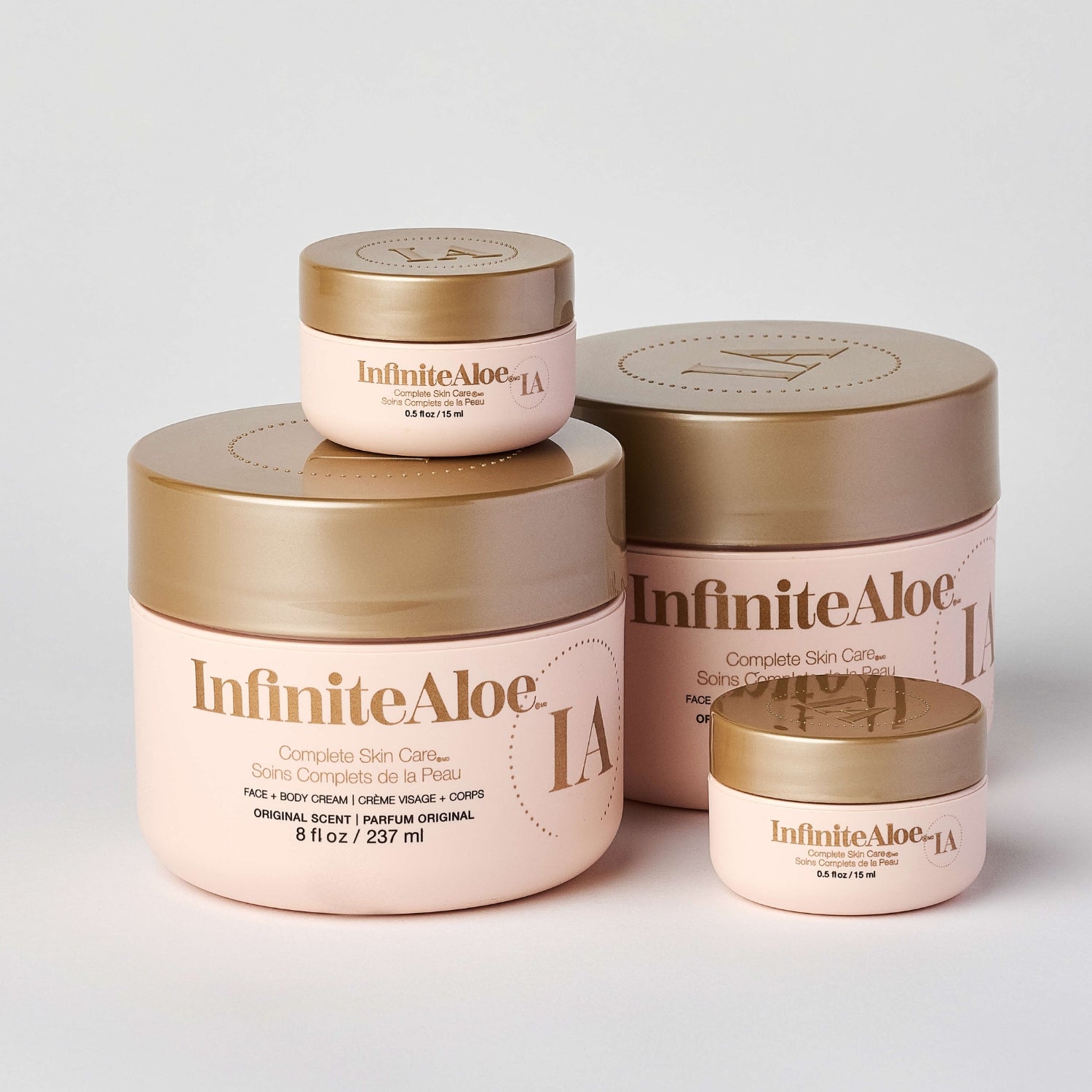
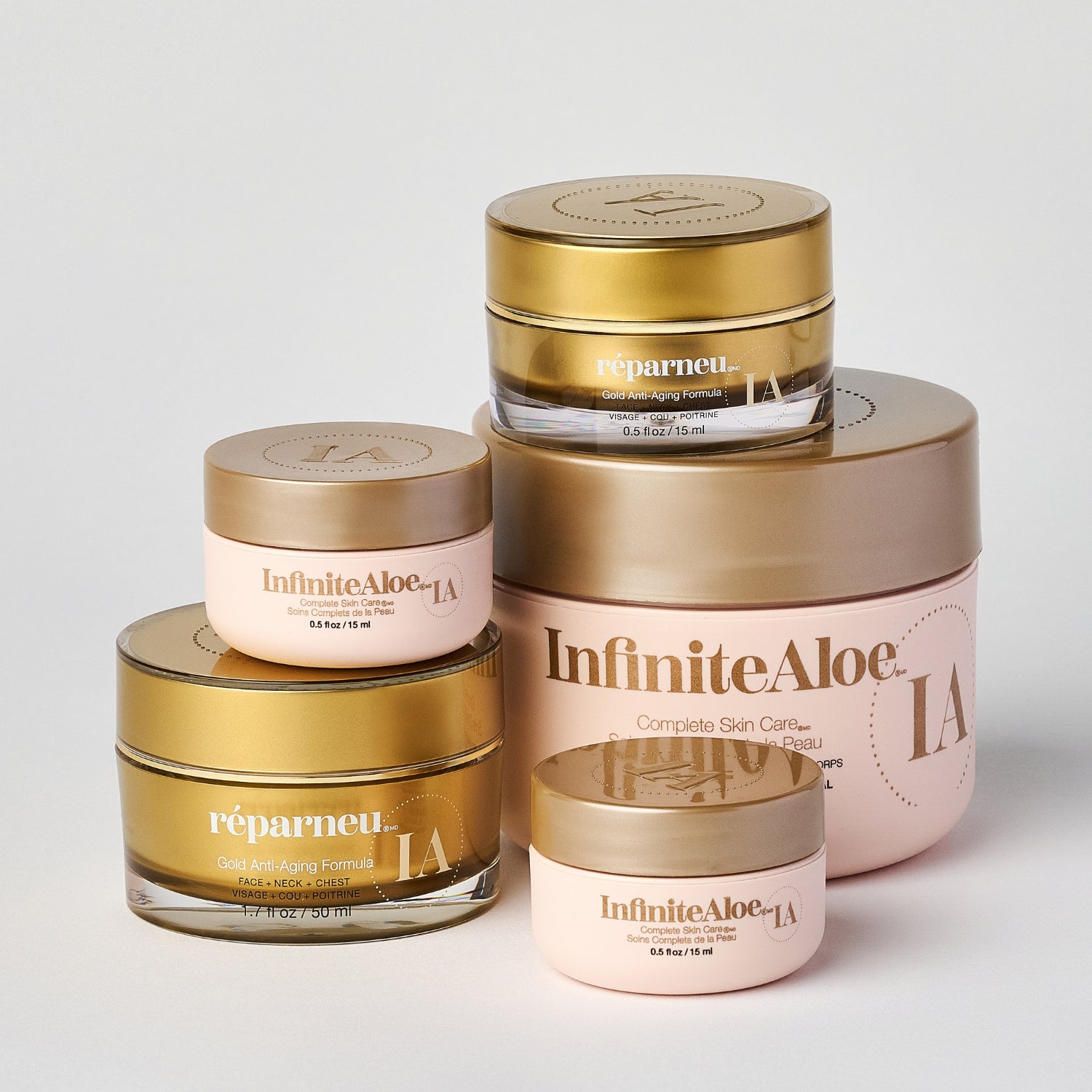
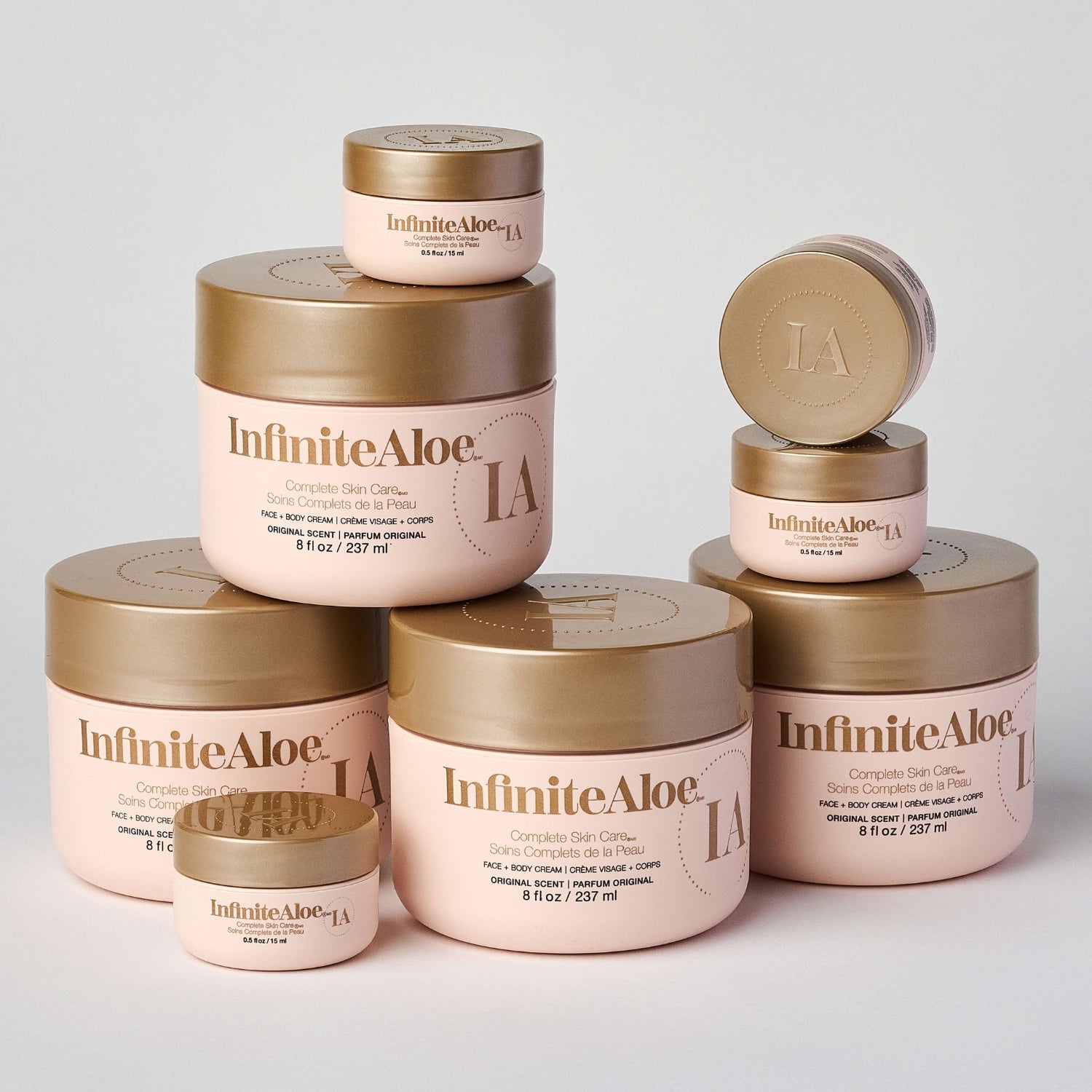
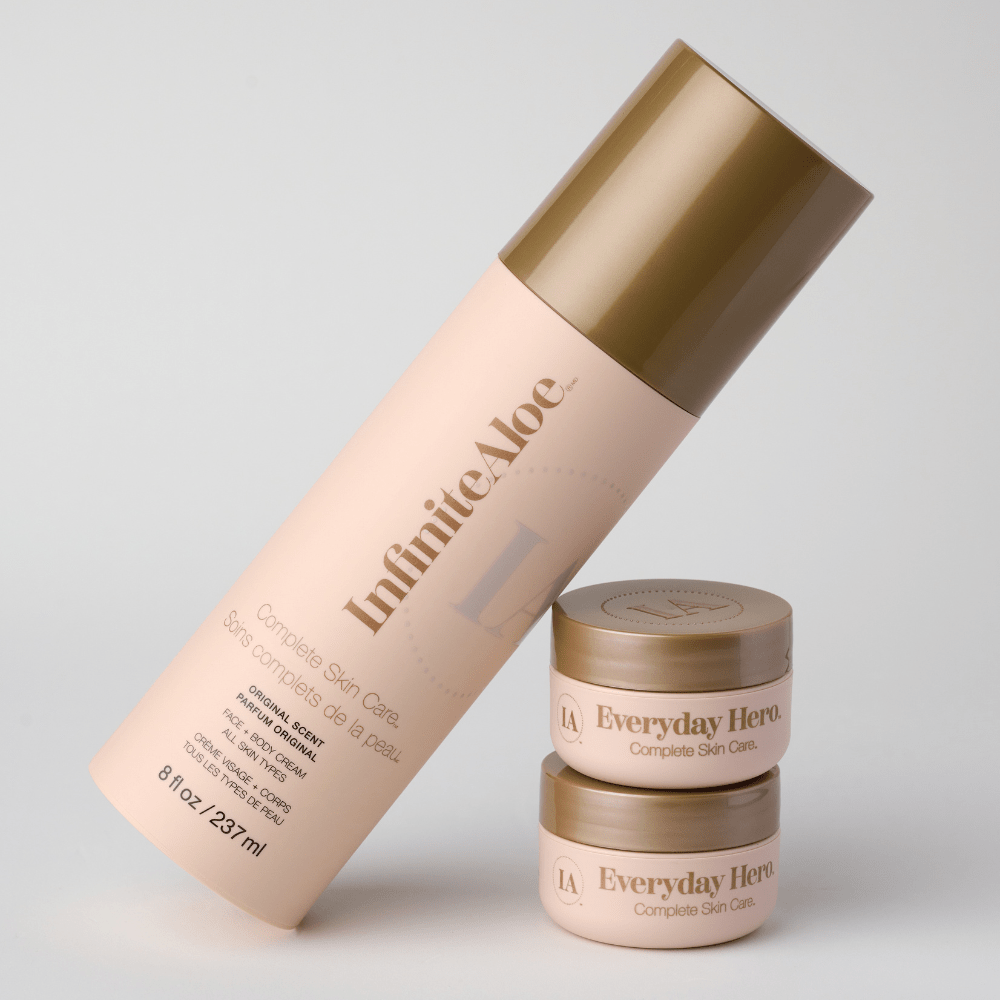
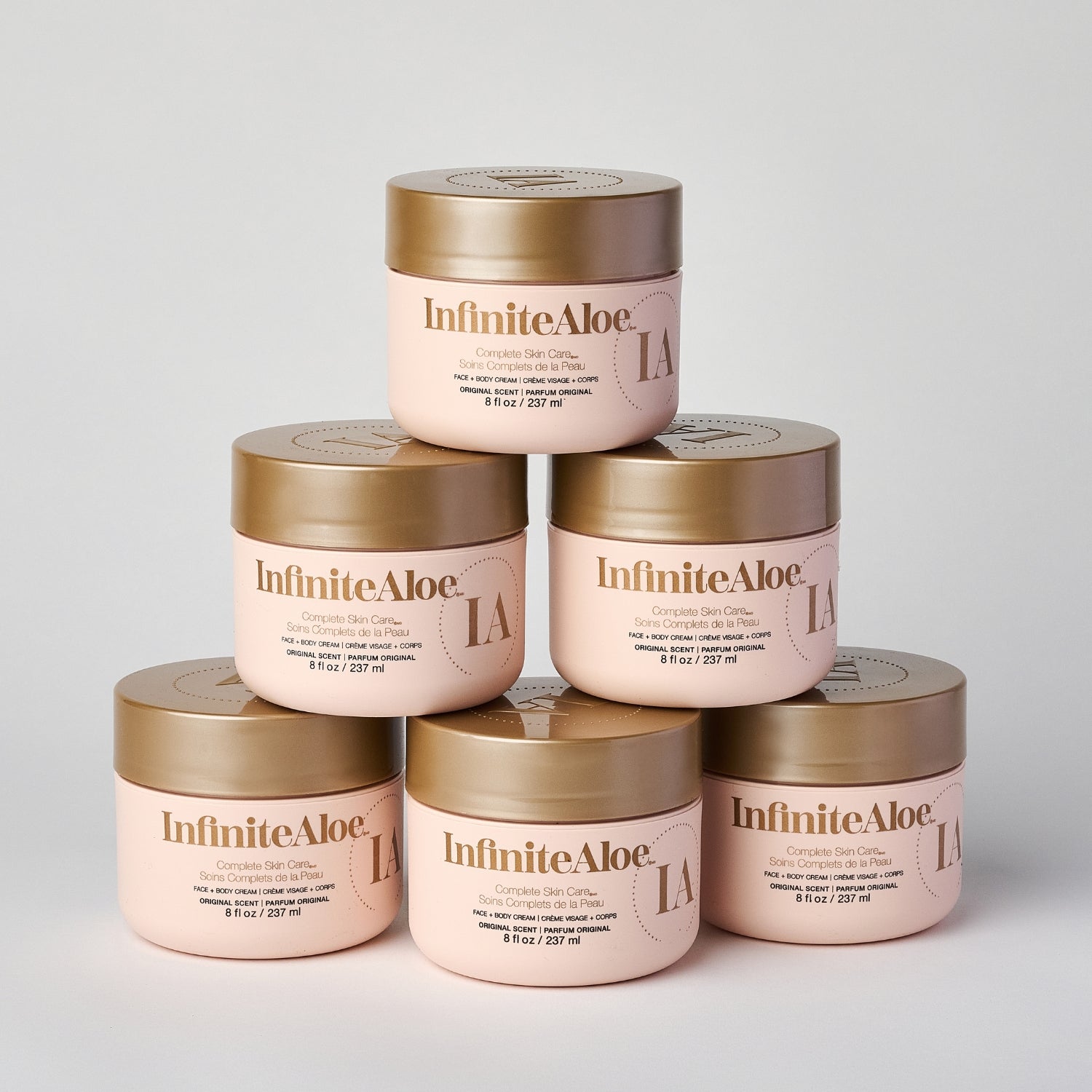
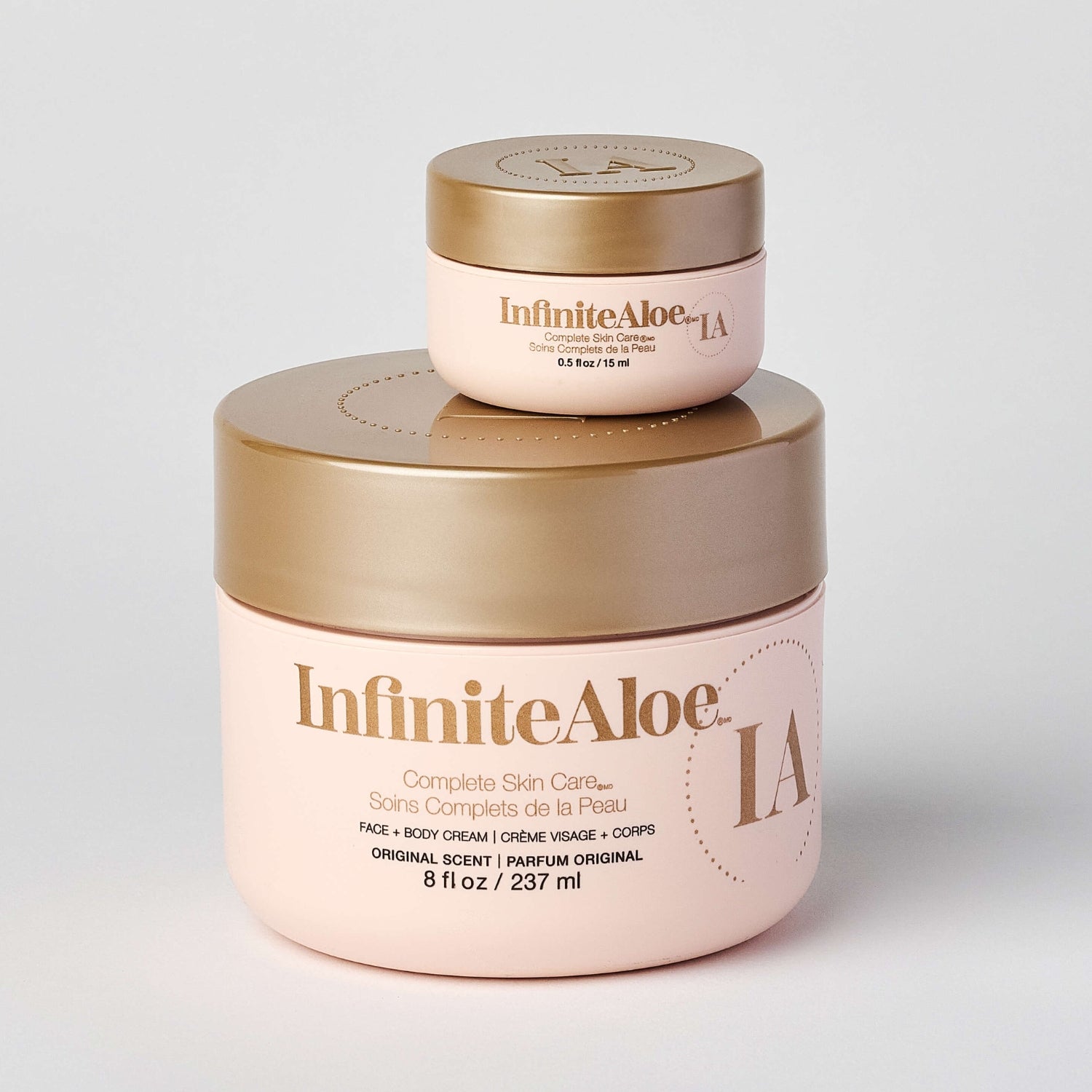
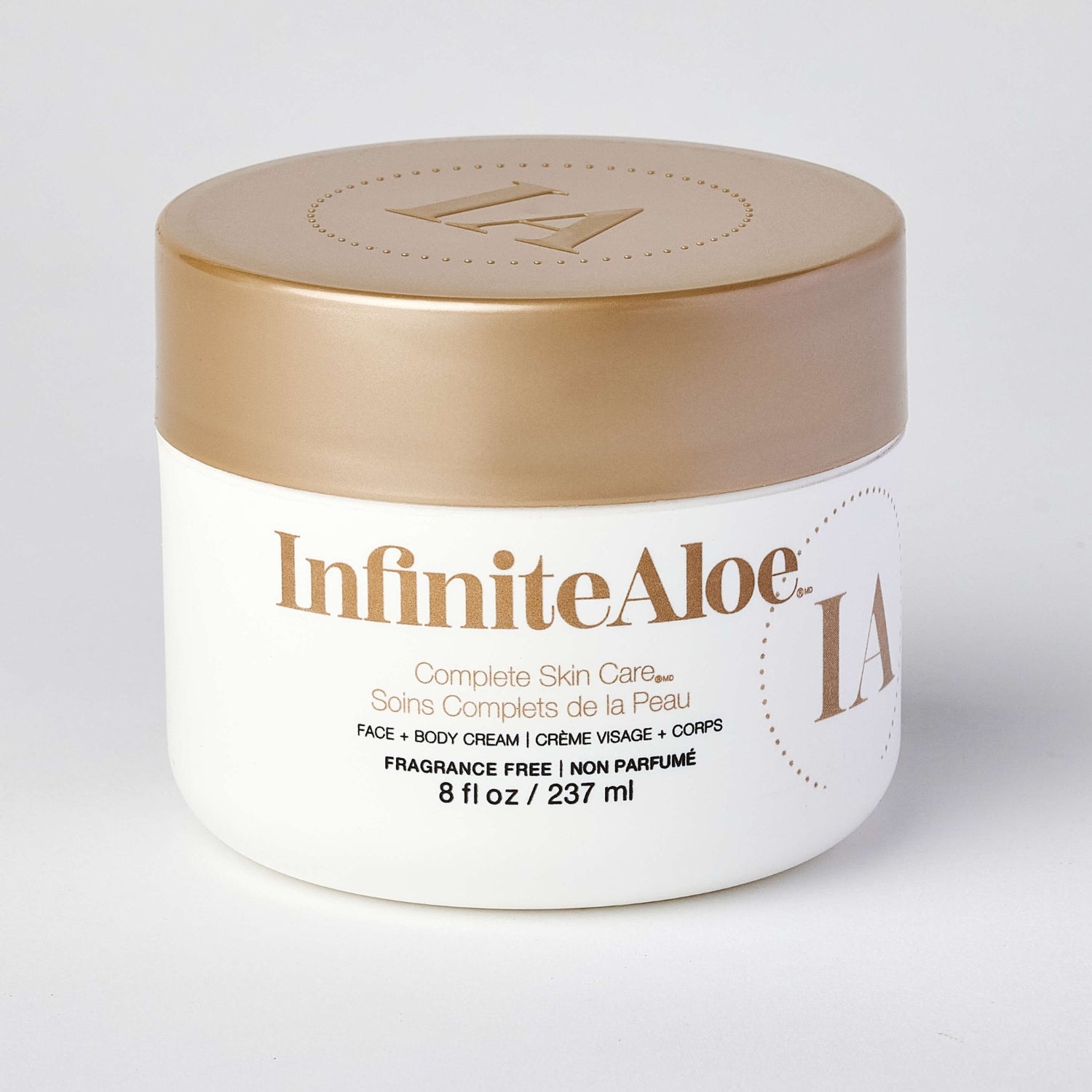
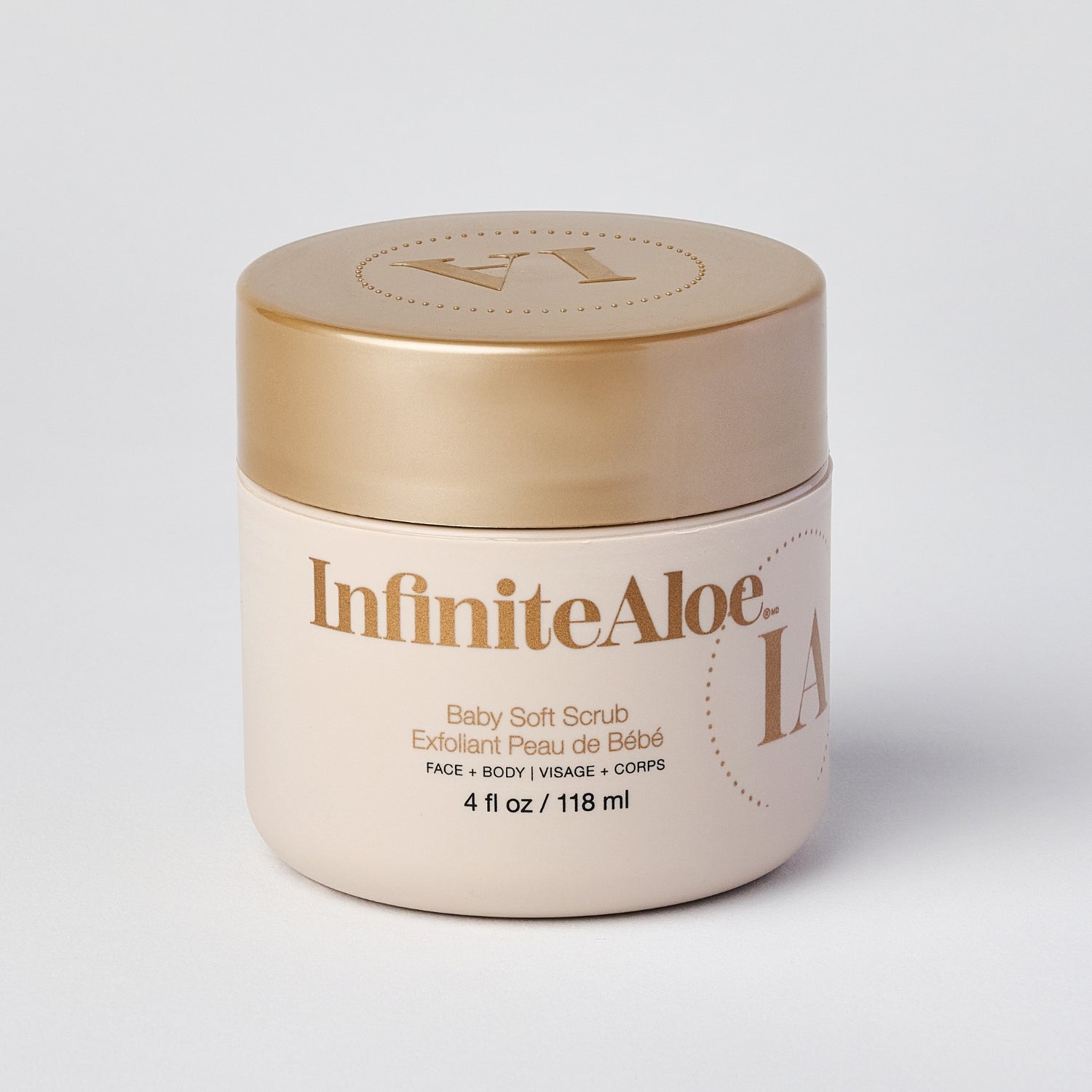
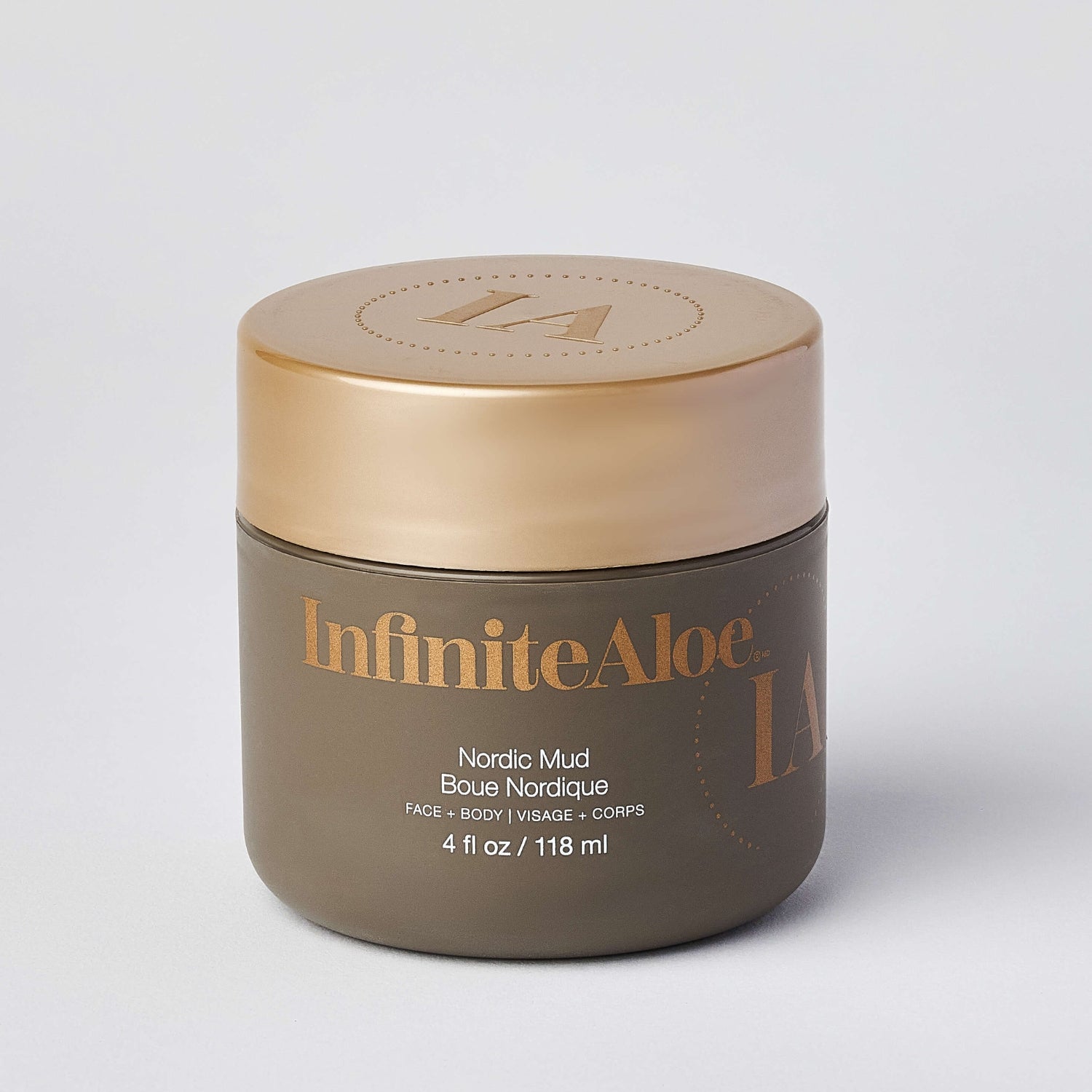
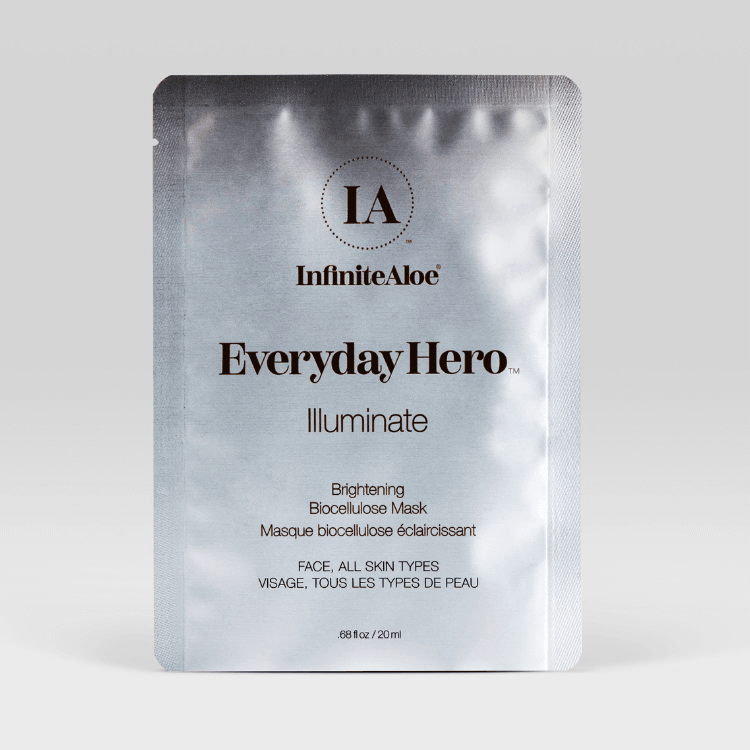
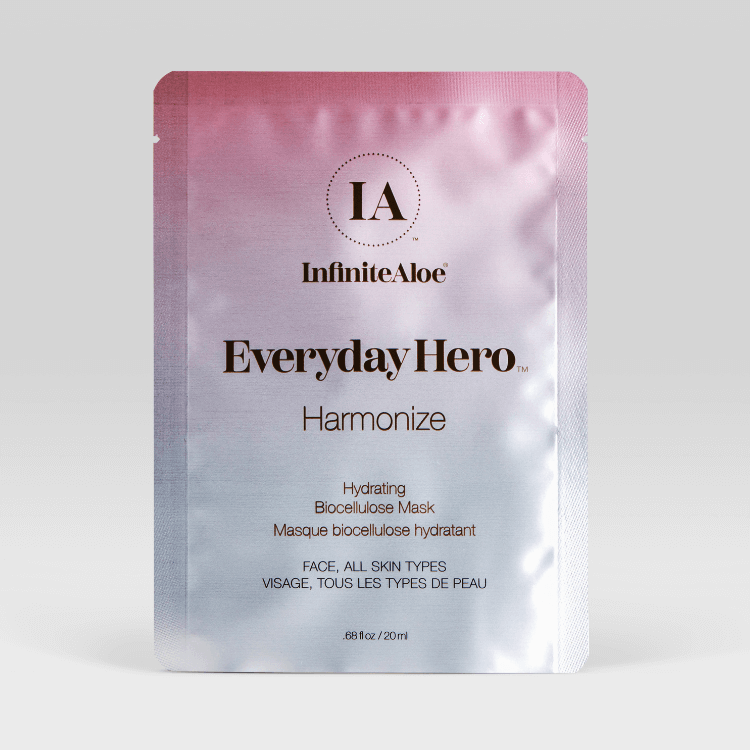
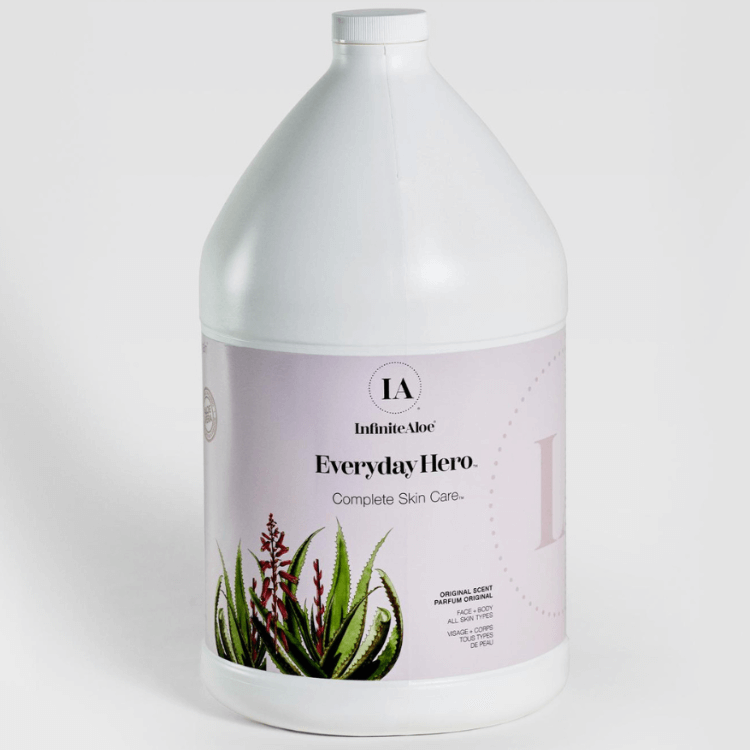
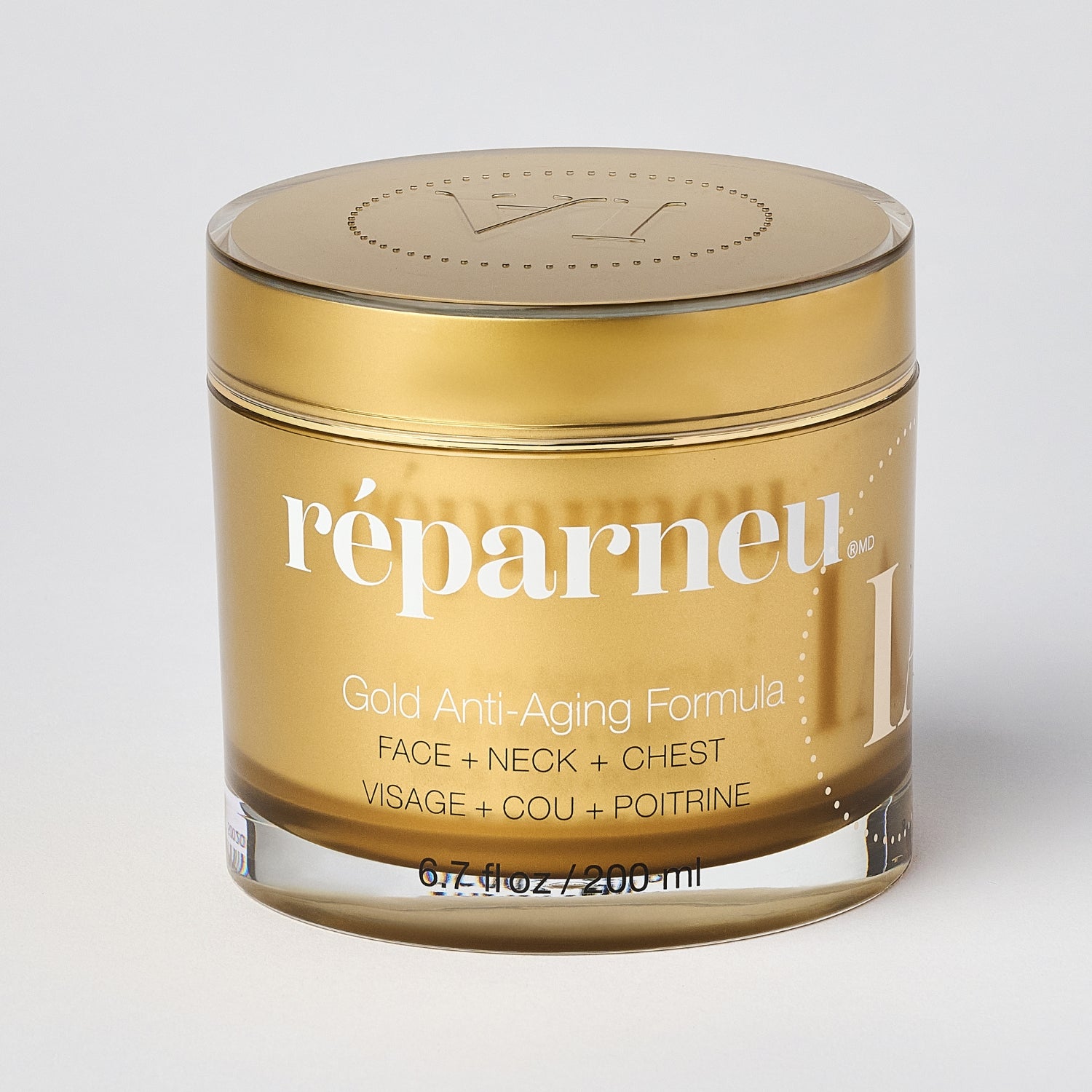
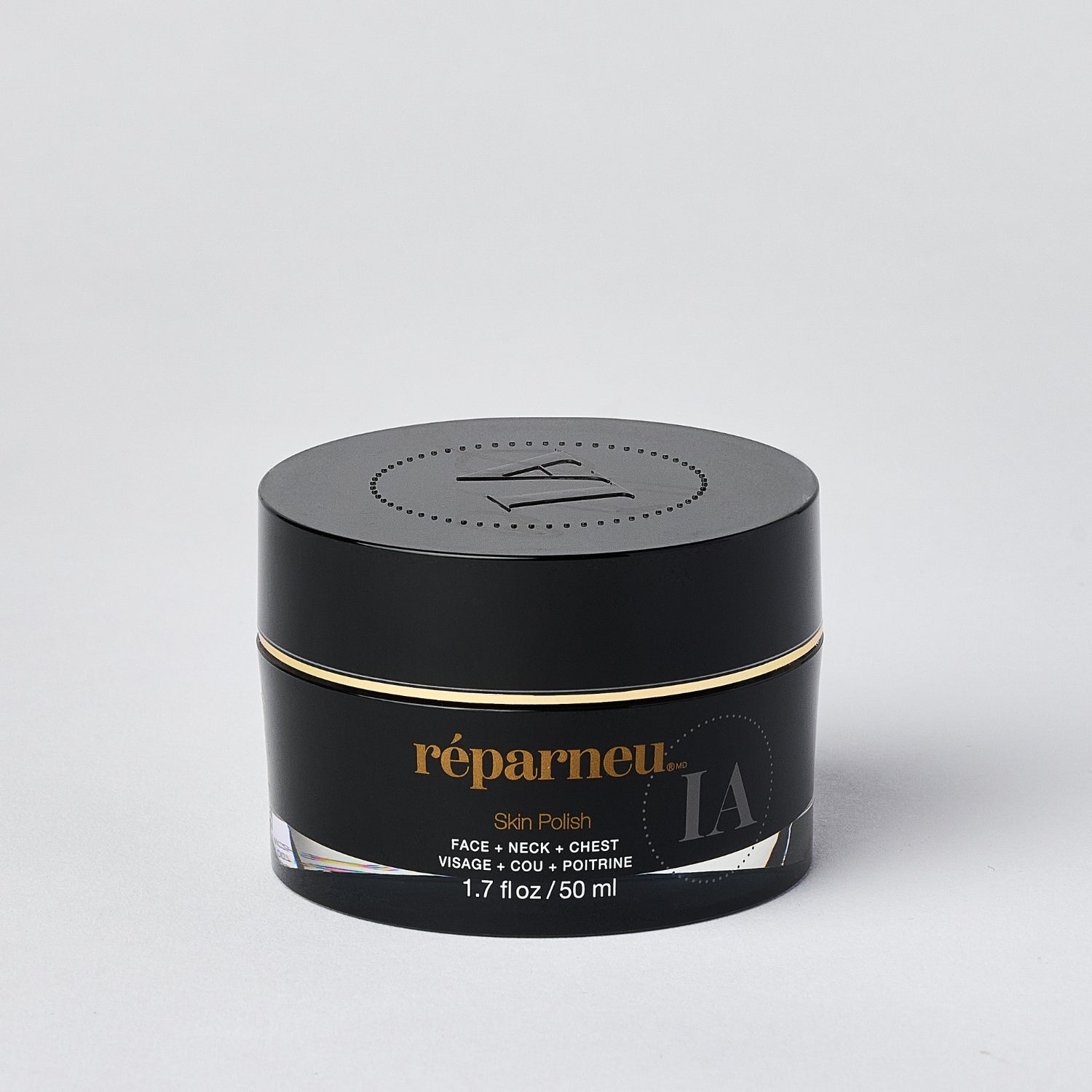
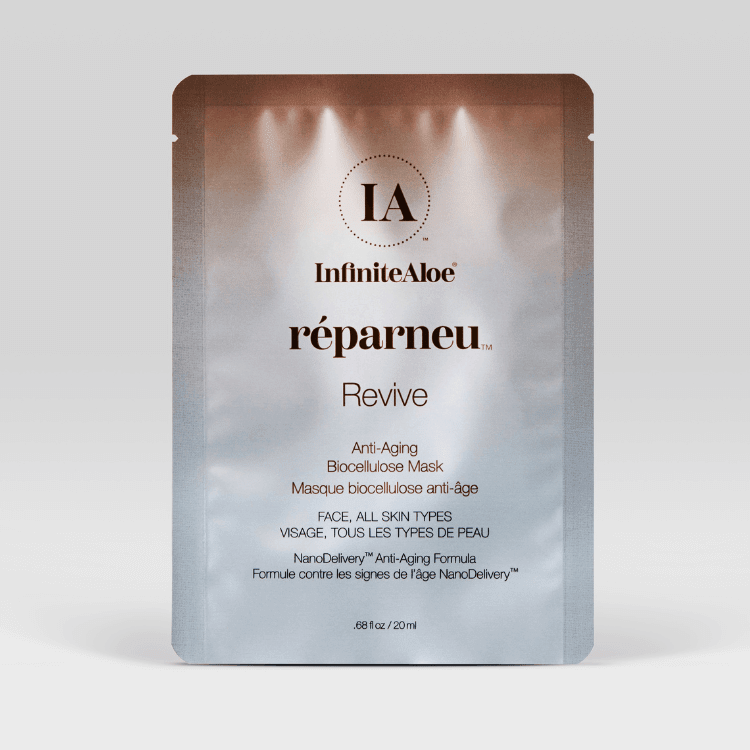
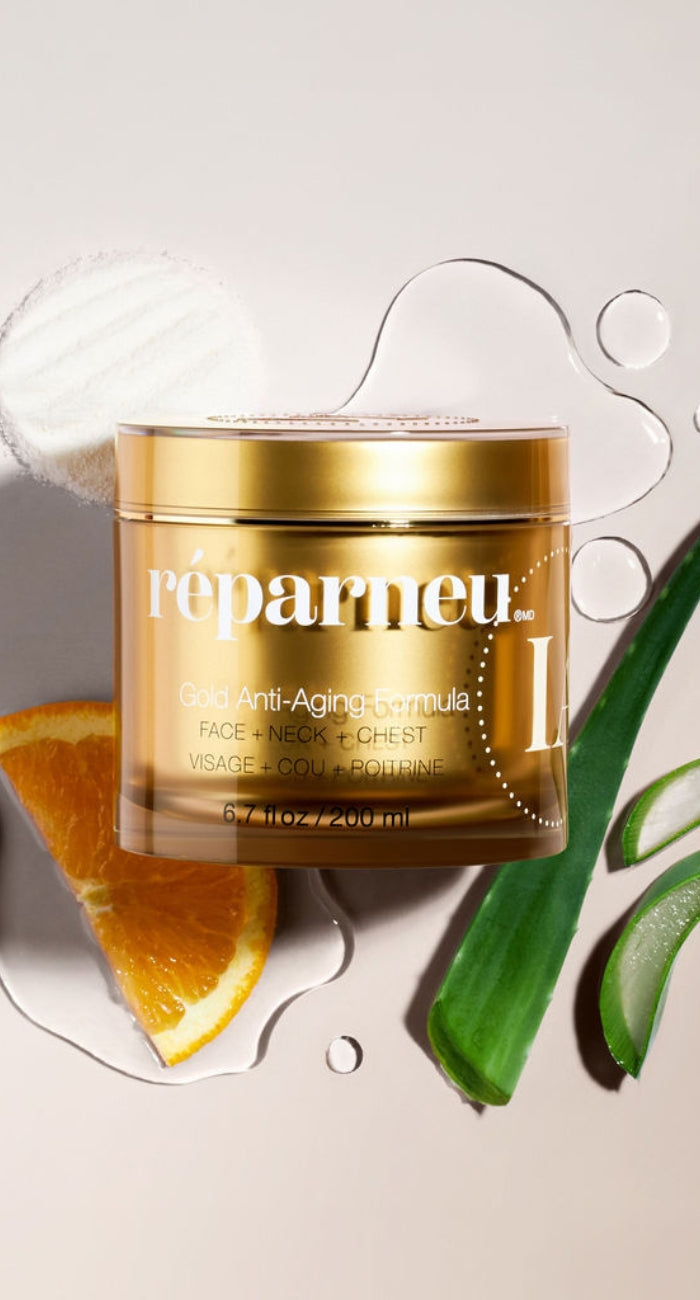
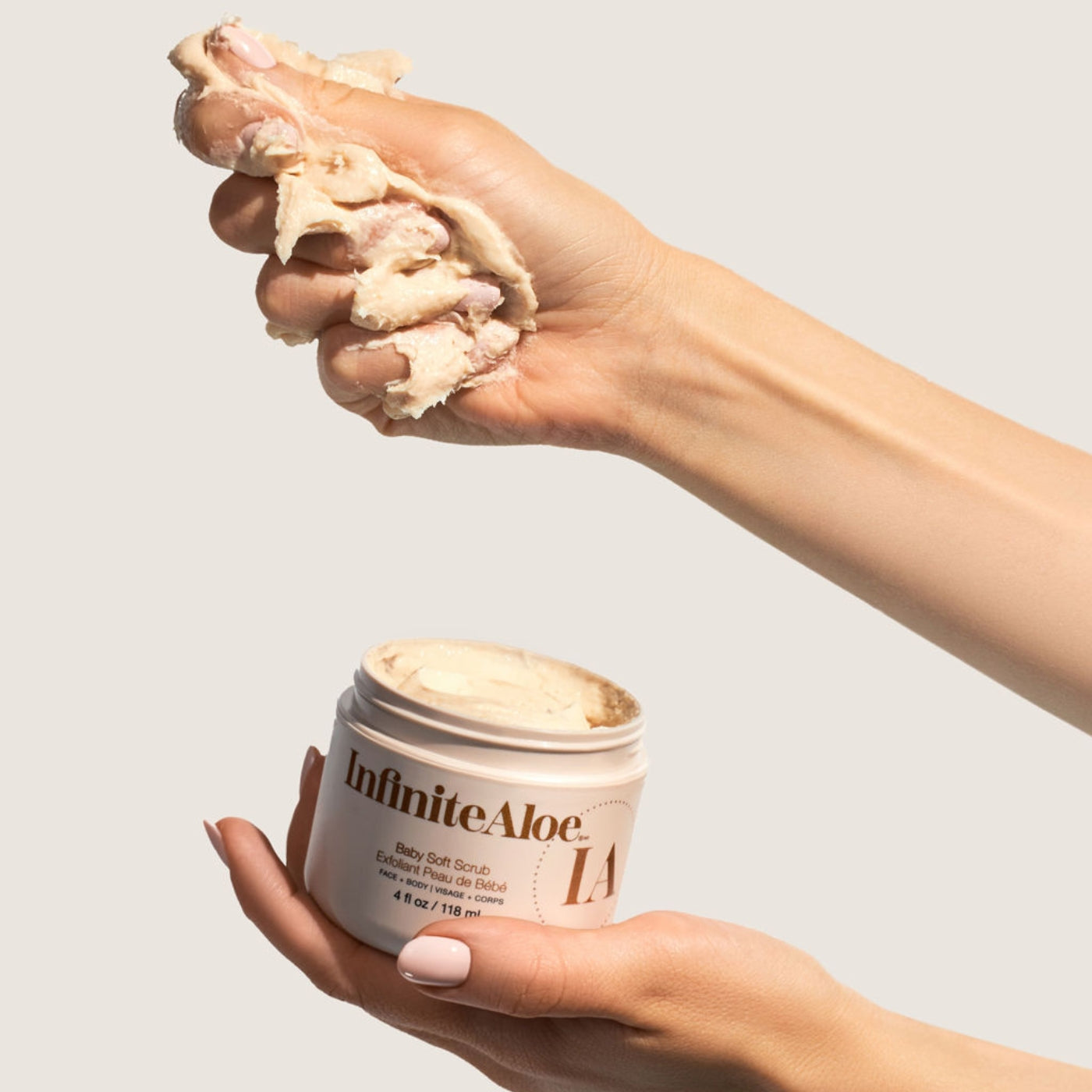
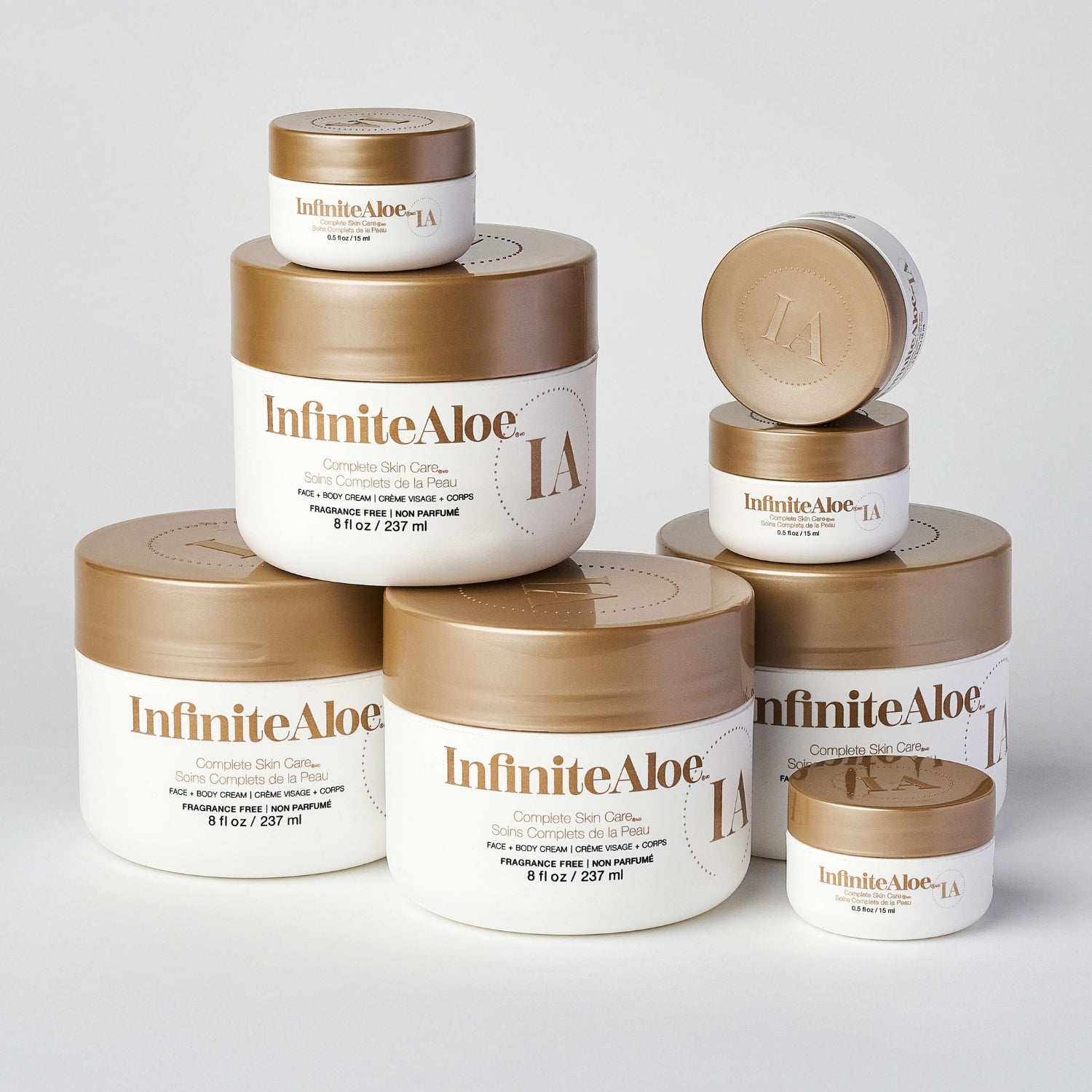
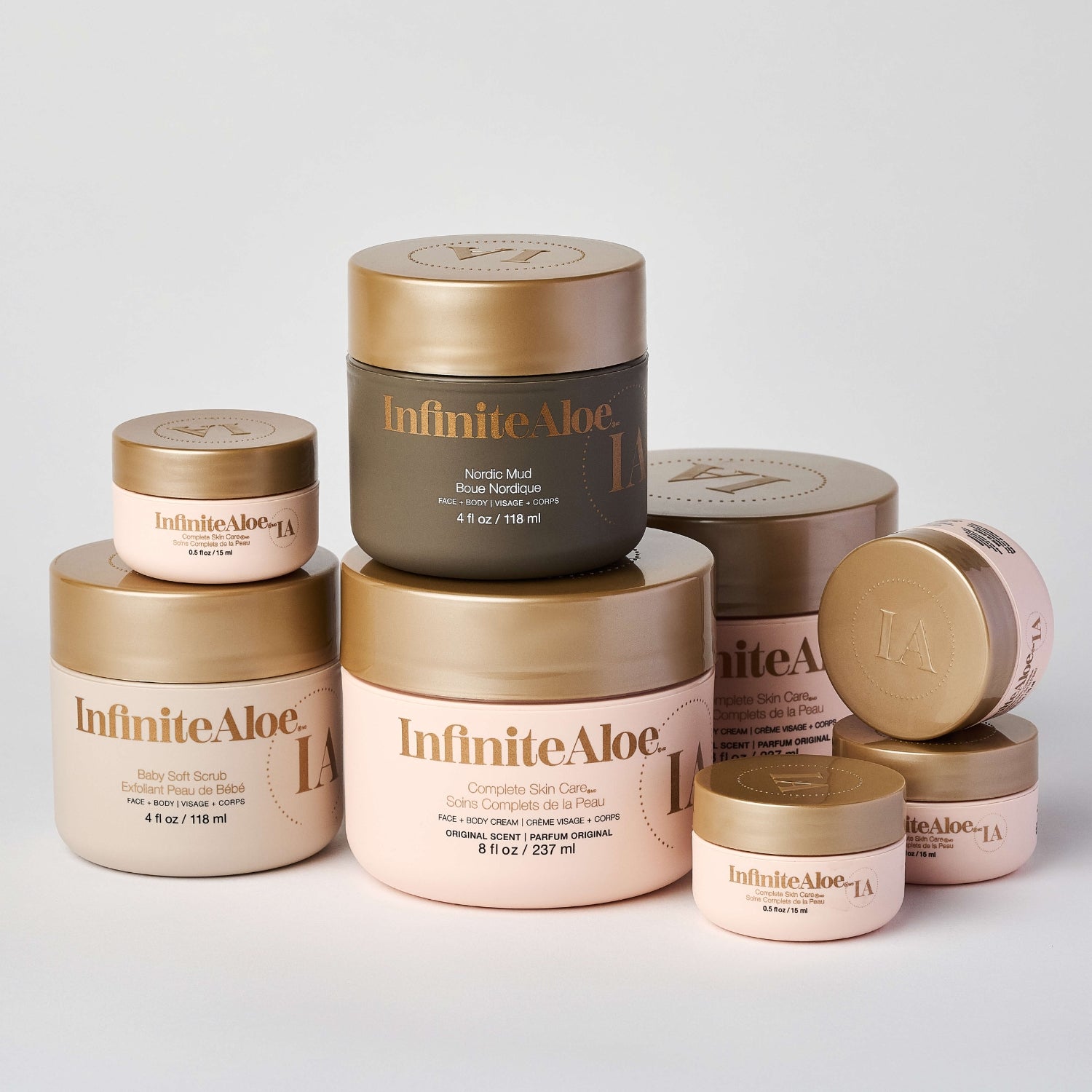
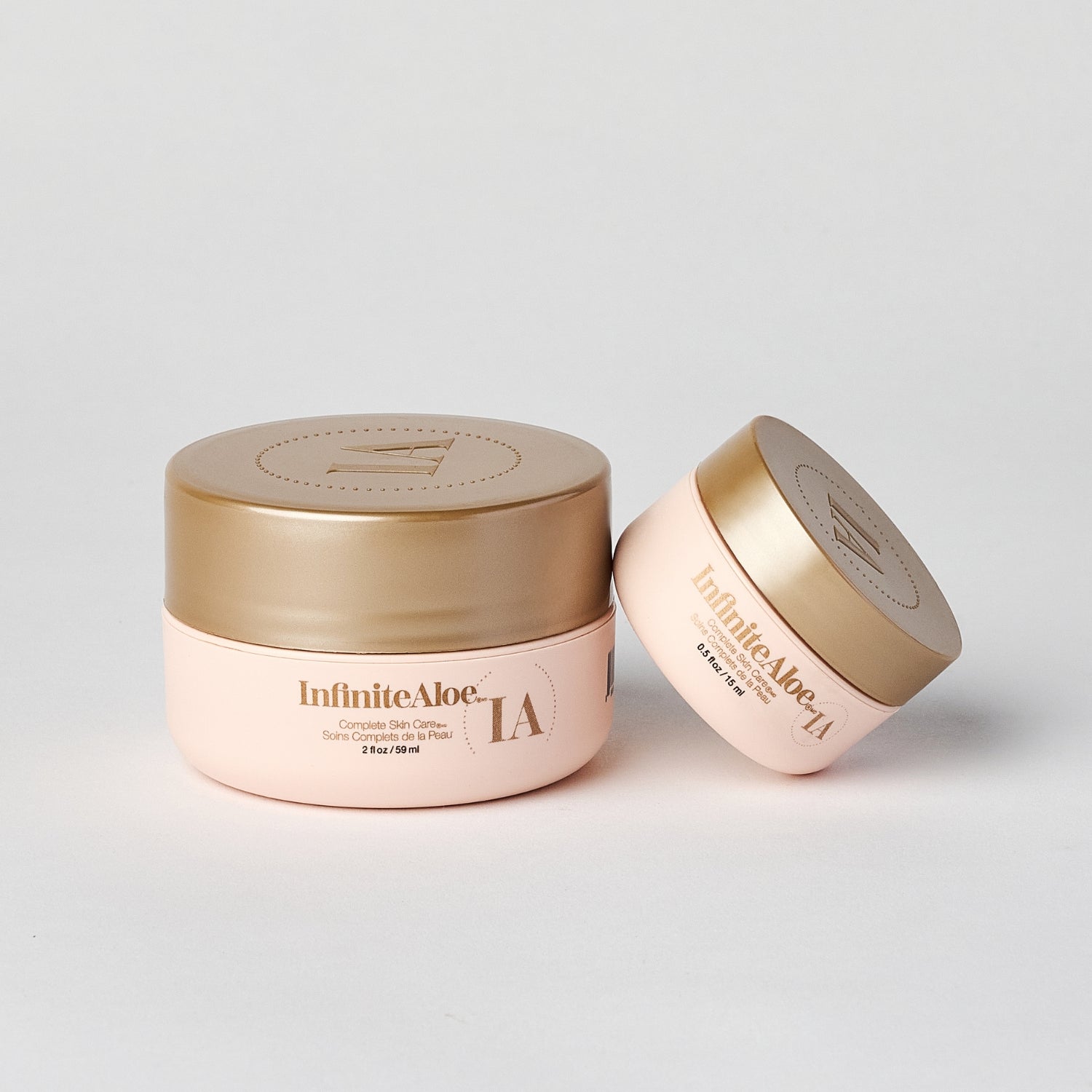
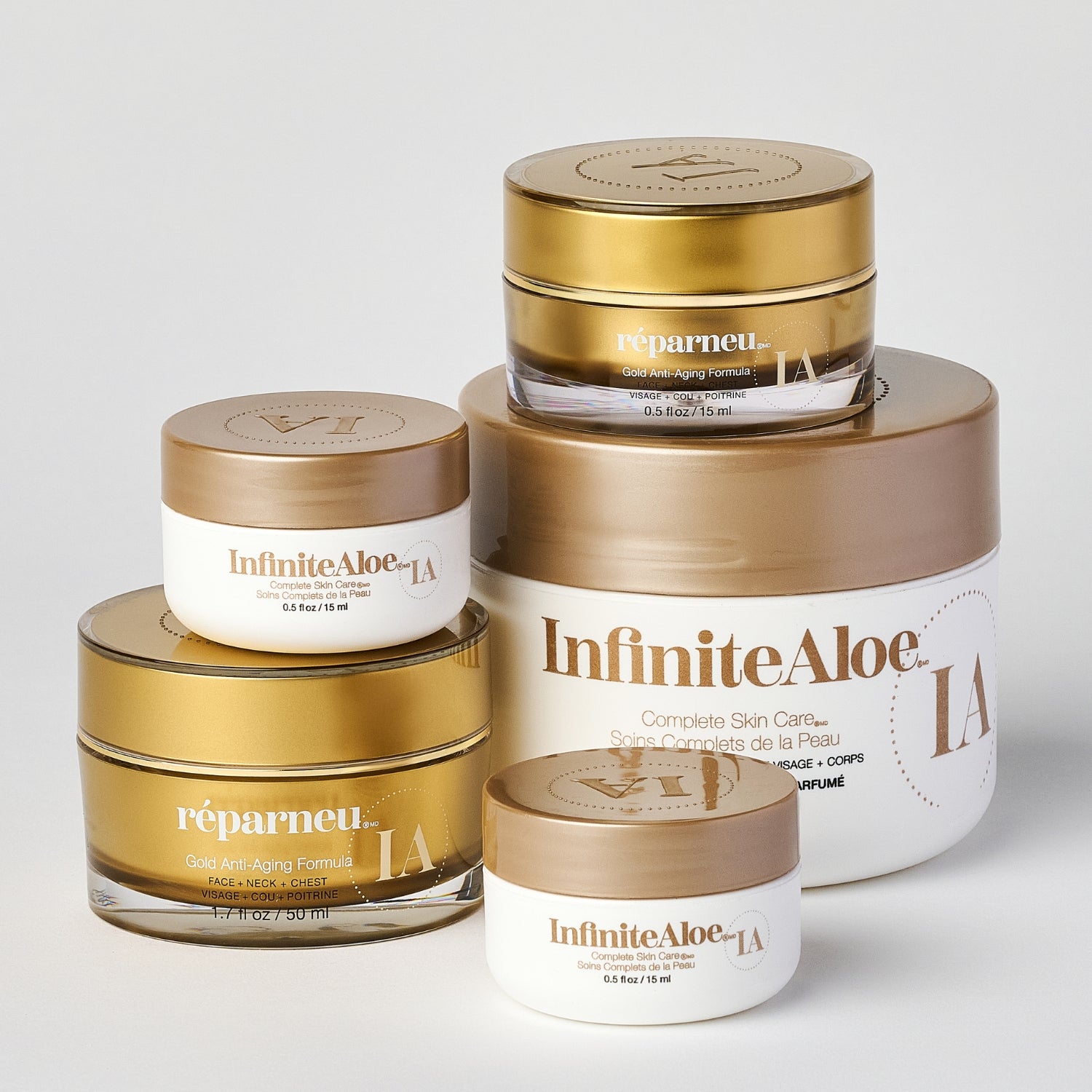
Good news! InfiniteAloe® Skin Care is no ordinary skin cream – it contains anti-inflammatory and pain-relieving agents that can soothe your skin while other components accelerate healing and repair.
When your immune system is aggravated, certain cells (mast cells) release histamine into your bloodstream, causing those angry, inflamed red rings or patches. Certain environmental factors may worsen chronic hives, such as heat, sunlight, cold, or pet dander. Stress and over-exertion can exacerbate hives. Some common anti-inflammatory drugs, such as ibuprofen (Advil, Motrin and others), are known to intensify chronic hives.
Symptoms and Causes of Hives
Some people break out with the dreaded red or white swollen patches known as hives due to known allergic reactions—wearing wool next to the skin or springtime pollen, for example. In other cases, the trigger is unknown. Chronic hives (called “urticaria”) can be caused by a strong allergic reaction to food or food additives, medication, insects, or other irritants.
How InfiniteAloe® Skin Care Can Help When You Have Hives
There are several ingredients in InfiniteAloe® Skin Care that are known to address pain and inflammation.
The first is organic Aloe Vera (Aloe Barbadensis Miller) which is the primary and most abundant ingredient in InfiniteAloe® Skin Care. In 2003, MIT announced that the study of the eight essential sugars was one of the ten technologies that would change the world. These long-chain sugars (polysaccharides) are not actually sweet and are abundant in Aloe Vera; trials suggest that they play an important role in immune function as well as maintaining and recovering good health.
Topical application of Aloe Vera is thought to ease pain by inhibiting a pain-producing chemical called bradykinin. Studies also suggest that Aloe Vera has strong antioxidant, antimicrobial and antiviral agents, and that it speeds recovery by inhibiting the body’s production of thromboxane, a chemical that delays healing.
A scientific review for the Department of Defense discussed the antibacterial and anti-inflammatory qualities of Aloe Vera against a wide variety of ailments, from burns and frostbite injuries to arthritis.
Saponins, such as contained in the both the Aloe Vera and Yucca Extract in InfiniteAloe® Skin Care, are particularly helpful in pain relief. There are many reports that saponins elevate the body’s production of cortisone, which can reduce soreness and swelling.
InfiniteAloe® contains collagen, the main structural protein making up 70% of the body’s connective tissue. Some studies have shown collagen helps speed tissue repair. (See References)
How to Use InfiniteAloe® Skin Care to Soothe Hives
Hives can feel like torture, so it’s worthwhile to be proactive in the management of hives. There are many potential causes of hives, so the best way to tackle the condition is to make a commitment to hunt the trigger(s) systematically and patiently. Even if you do not precisely identify the cause of your hives, the main side effect you can expect will be a healthier, more vital you.
Keep a diary of all the changes you make in your lifestyle or regimen and note any changes you observe.
- Use only the gentlest soap or non-soap cleanser on your skin. Make sure antiperspirants, aftershave and all products that come in contact with your skin are devoid of artificial perfumes, harsh chemicals and other irritants.
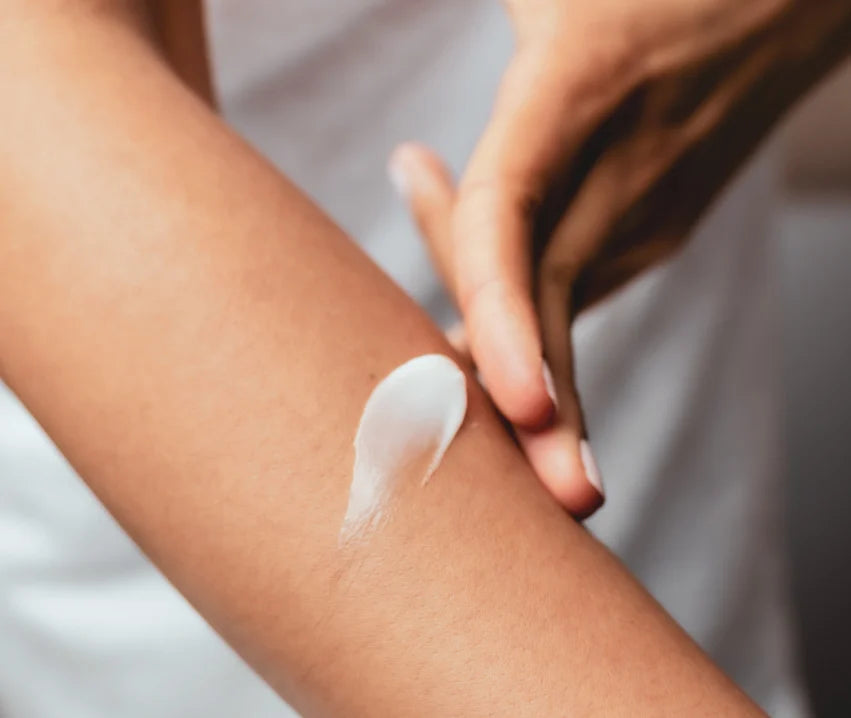
- Apply InfiniteAloe® Skin Care at least once a day, and more often when you have a hives breakout, to soothe your skin and relieve pain. Allow the affected skin to be exposed to air for as long as possible each day, to reduce chafing and enjoy the benefits of air flow.
- If needed, apply ice packs to the swollen areas. Common advice is to have the ice packs alternatively on and off for 15 minutes at a time until you feel relief.
- Antihistamine medications may help. Whether common over-the-counter medicines, or prescription, or homeopathic or other antihistamine remedies, there are many choices for getting allergies under control. Find out as much as you can about the most suitable options for you.
- Wear natural fibers, such as cotton, silk and linen next to your skin. (Avoid wool. Sadly, even the softest cashmere can annoy skin prone to hives). Natural fabrics let your skin breathe. Some people report that synthetic fabrics worsen hives.
- Eliminate common allergens from your food, such as MSG, and…you knew this was coming…eat a well-balanced, healthy diet, including plenty of fresh fruits and vegetables. Avoid fast food and restaurants, since you have no control over what they put in your food. Carefully makes notes of what you eat and any reactions you notice.
- Drink lots of water every day. “Water” does not include coffee or tea.
- If you know you have airborne allergies, it may make sense to invest in a good air purifier and hypo-allergenic vacuum for your home.
- Molds and other vitality-robbing toxins in buildings are surprisingly widespread. If you are still suffering allergic reactions, you may want to have your home and/or office checked for unacceptable levels of mold and contaminants.
The above list of actions to take is not intended to be exhaustive, but may get you off to a good start!
Hives can be an indication of an autoimmune condition, and unidentified food allergies can be dangerous, so please consult with your healthcare professional if you experience a severe reaction or cannot manage the condition yourself. Difficulty breathing or swelling in the throat is an emergency.
Try your InfiniteAloe® Skin Care today!
References:
Austen KF. Allergies, anaphylaxis, and systemic mastocytosis. In: Fauci AS, et al. Harrison's Principles of Internal Medicine. 17th ed. New York, N.Y.: McGraw-Hill Medical; 2008.
Choi, S-W. and B-W. Son, Y-S. Son, Y-I. Park, S-K. Lee, and M-H. Chung. The wound-healing effect of a glycoprotein fraction isolated from aloe vera. British Journal of Dermatology; Oct 2001, Vol. 145 Issue 4, p535-545. ISSN: 00070963
Davis, Robert H. Aloe Vera: A Scientific Approach (1997) Vantage Press; 1st edition. ISBN: 0-533-12137-X
Khan DA. Chronic urticaria: Diagnosis and management. Allergy and Asthma Proceedings. 2008;29:439.
Shelton, Ronald M. Aloe Vera: Its Chemical and Therapeutic Properties. (1991) International Journal of Dermatology, Volume 30, Issue 10, p.679 – 683
Sicherer SH. Advances in allergic skin disease, anaphylaxis, and hypersensitivity reactions to foods, drugs, and insects in 2008. Journal of Allergy and Clinical Immunology. 2009;123:319.
Tizard, IR, RH Carpenter, BH. McAnalley, and MC Kemp The biological activities of mannans and related complex carbohydrates. Molecular Biotherapy. 1989;1(6):290-6.
Urticaria. American College of Allergy, Asthma and Immunology. http://www.acaai.org/public/advice/urtic.htm. Accessed Apr 2, 2010.
DISCLAIMER: The information contained in this site is for educational purposes only, and should not be used as a substitute for personal care by a licensed physician. Please see your physician for diagnosis and treatment of any unusual or troubling symptom or condition.
All testimonials or endorsements of our products reflect the personal experience of individuals who are expressing their opinions, and may not be representative of what all consumers may achieve. Additionally, these testimonials are not intended to make claims that these products can be used to diagnose, treat, cure, mitigate or prevent any disease. These claims have not been clinically proven or evaluated by the FDA. All testimonials are the sole opinions or experiences of our customers; we do not compensate for testimonials.